


Researched by Samuel Adjetey Adjei
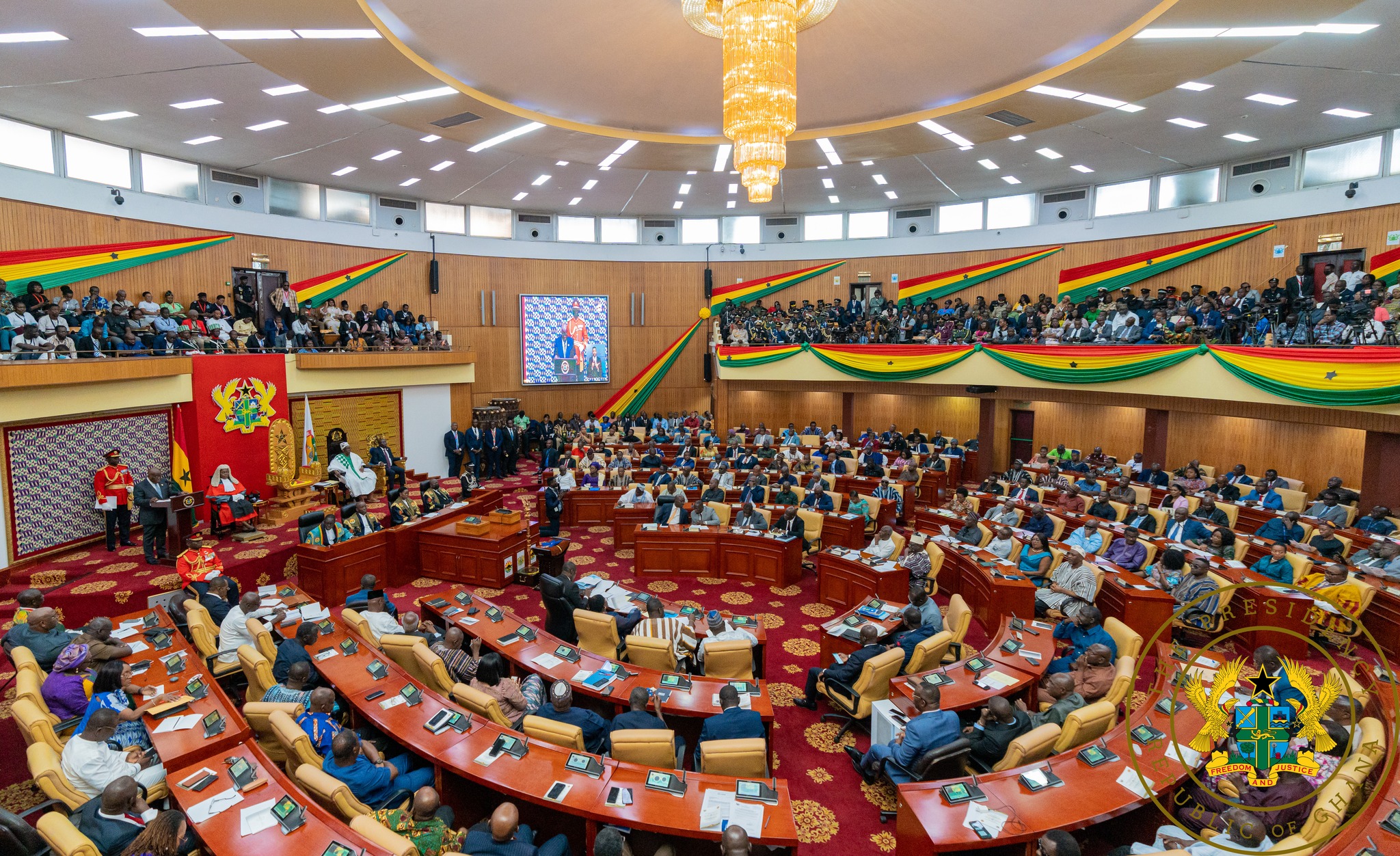
Ghana’s Parliament on July 30, 2026, passed the Ghana Cocoa Board Bill, 2026 after plans to reset the sector were announced by the Minister of Finance, Dr. Cassiel Ato Forson during the 2026 mid-year budget presentation.
Following the passage of the bill (which has yet to be assented to by the President), multiple social media users made claims about the contents and implications of the legislation. An X user, @YMarfoAdu, made a post with multiple claims about the Bill. His post read:
“The new COCOBOD bill introduces what they call COCOBOD inspectors. These inspectors can;
a. detain anyone for 48 hours without a court order
b. Conduct a search on any property on mere suspicion without a court order
“If you do not allow them to conduct a search, you risk going to jail for 2 years or paying a fine of up to 5,000 penalty units (around GH C 60,000) or both.”
RelatedNews




In this report, we verify the following claims:
- Can COCOBOD inspectors detain anyone for 48 hours without a court order?
- Can COCOBOD inspectors conduct a search on any property on mere suspicion without a court order?
- Does the bill propose a 2 year jail term or a fine for obstructing a search?
Claim 1: COCOBOD inspectors can detain anyone for 48 hours without a court order
Fact-check:
The bill permits COCOBOD inspectors to independently execute arrests and detentions. Clauses 74 and 75 confers that power:
Clauses 74(1)(c) and 74(4)(a) emphasize the power of inspectors to effect arrests of persons for offences stated under the Act with or without court orders.
Section 75(2)(a), however, addresses how long a suspect can be held. It allows inspectors to: “detain the person without an order of a court for a period of not more than forty-eight hours; and remove the person to a place necessary to facilitate the search.”

This means that COCOBOD inspectors possess explicit legal authority under the bill to independently execute arrests and detain suspects for up to 48 hours with or without a court order during investigations and searches.
Verdict:
Therefore the claim is rated True.
Claim 2: COCOBOD inspectors can conduct a search on any property on mere suspicion without a court order
Fact-check:
Our checks showed that the bill permits inspectors to conduct searches on property or vessels based on reasonable suspicion without requiring a prior court order. Clauses 73 and 74 of the bill, addresses these powers:
Section 74(1) specifically states: “Where an inspector has reasonable cause to suspect that there is concealed or deposited in a vessel or any other premises, cocoa or any property liable to seizure or forfeiture under this Act… the inspector may, at any time and with or without a warrant: (a) enter the vessel or premises and search for and seize cocoa … (b) search a person who is in a vessel or on the premises…

This confirms that inspectors possess explicit legal authority under the bill to enter and search private premises and storage locations associated with the cocoa trade without a warrant or court order, as long as they have reasonable cause to suspect an infraction or concealed property.
Verdict:
Therefore the claim is rated True.
Claim 3: Offenders risk 2 year jail term or up to 5,000 penalty units for obstructing a search
Fact-check:
The bill through clause 77 (1) and (2) proposes penalties for individuals who intentionally obstruct or hinder officers during compliance activities.
Clause 77 under the heading ‘Obstruction of inspection, entry and search’ lists eight offences that will lead to prescribed sanctions because the offender: “commits an offence and is liable on summary conviction to a fine of not less than two thousand penalty units and not more than five thousand penalty units or to a term of imprisonment of not less than one year and not more than two years, or to both.”
Section 77(2) adds: “Where a fine imposed under subsection (1) is not paid, the person shall serve an additional term of imprisonment of not less than two years and not more than five years.”

This confirms that individuals who obstruct COCOBOD inspectors during a search or entry face strict penal consequences, including fines up to 5,000 penalty units or imprisonment terms starting at a minimum of one to two years.
Verdict:
Therefore the claim is rated true.