


Claim: The new Community Service Law does not impose a custodial sentence even if a person is found guilty
Source: Alexander Afenyo-Markin (Minority Leader)
Verdict: False
Researched by Samuel Adjetey Adjei
Minority Leader Alexander Afenyo-Markin claimed that the new Community Service Law does not recommend a custodial sentence for a person who commits an offence categorised as a misdemeanour.
Delivering the keynote address at the National Emerging Leaders’ Economic Forum (NELEF) 2026 held on September 21, the Effutu lawmaker said, “Recently, Parliament passed a law that imposes a responsibility on our courts that, on matters that are misdemeanours (that is), offences that are minor, the court has a responsibility to impose a non-custodial sentence on the person. So there is a new sentencing regime when Parliament has passed a law, and the President has assented to it.
RelatedNews




“So this is a misdemeanour, and the law in Parliament is that with a misdemeanour there should be no custodial sentence even if the person is guilty. We have something called community service that is the new law. So is our Adenta Circuit Court judge aware of the new law? It’s a question,” he said while addressing what he described as legal inconsistencies surrounding the arrest of a senior nursing officer, Salomey Awiti Baffoe.
The Minority Leader also shared an excerpt of the address on his Facebook and X accounts. The video has also been shared by multiple social media accounts (here, here, and here), including Ghanaian Times.

Fig. 1- A screenshot of the Minority Leader’s post on Facebook
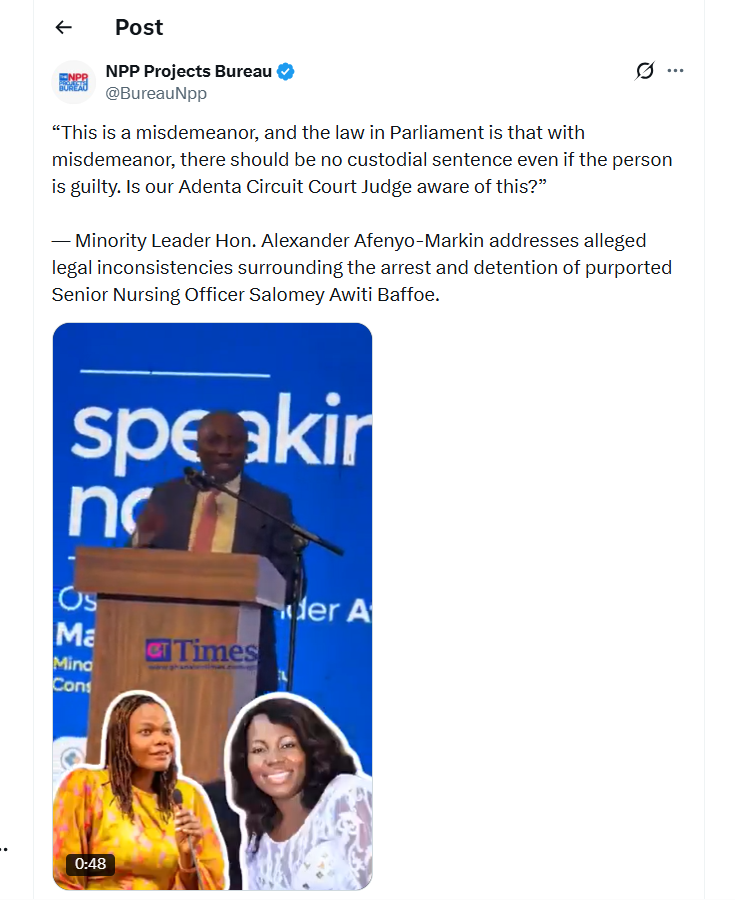
Fig. 2- A screenshot of a post of the Minority Leader’s claim
Fact-check
To verify the claim, GhanaFact reviewed the newly signed Community Service Law and found that the bill does not prohibit custodial sentences for misdemeanours; rather, it introduces community service as an alternative sentencing option for eligible offences, including misdemeanours. The framework in the new law operates as an alternative punishment rather than an absolute prohibition on imprisonment:
Discretion of the Court: Under Clause 39, when a court convicts someone for a minor offence, it must have regard to the performance of community service as an alternative punishment, but does not strip the court of its underlying sentencing powers.
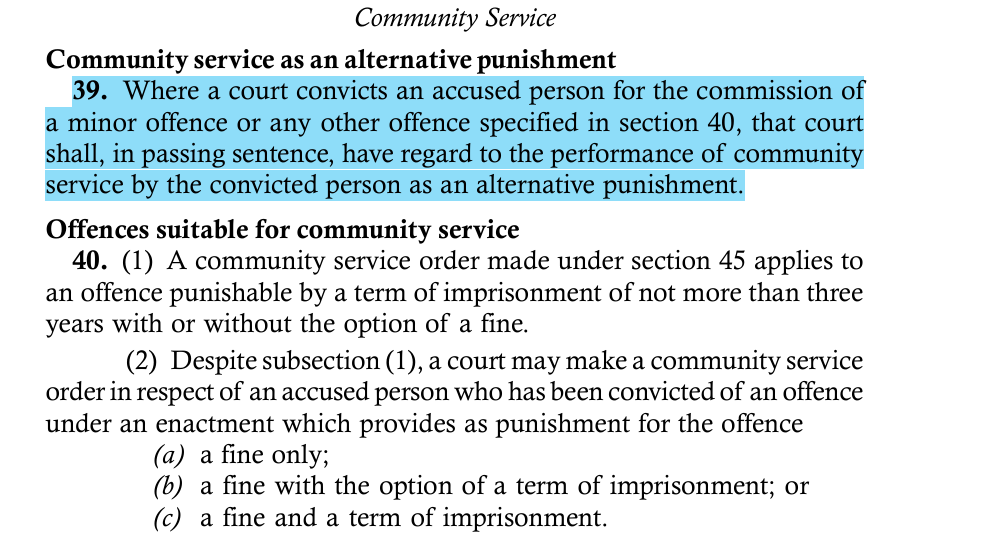
Fig. 3 – A screenshot of the Community Service Law 2026, pg. 22
Range of Punishments: Clause 40 specifies that community service applies to offences punishable by up to three years of imprisonment, with or without the option of a fine, meaning the option for traditional sentencing remains legally intact unless the court actively chooses to issue a community service order instead.
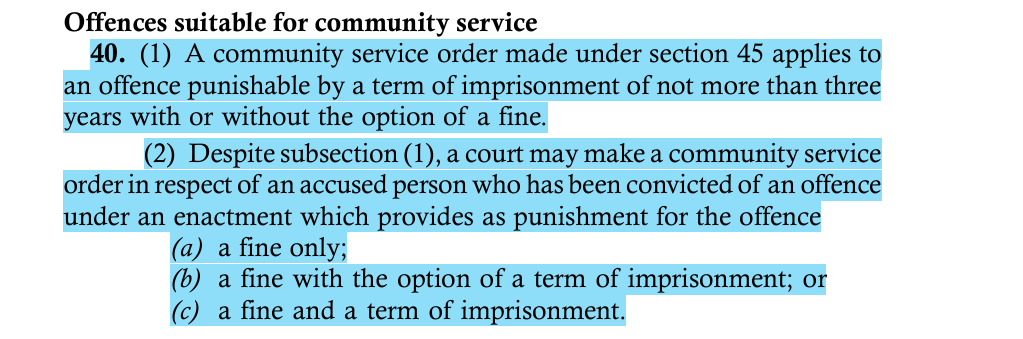
Fig. 4 – A screenshot of the Community Service Law 2026, pg. 22
Consequences of Breaches or Subsequent Offences: If a convicted person breaches the terms of a community service order, Clause 53 empowers the court to revoke the order and impose any punishment that could have originally been given, including a term of imprisonment. Similarly, under Clause 54, committing a subsequent offence during the community service period can lead the court to impose a term of imprisonment.
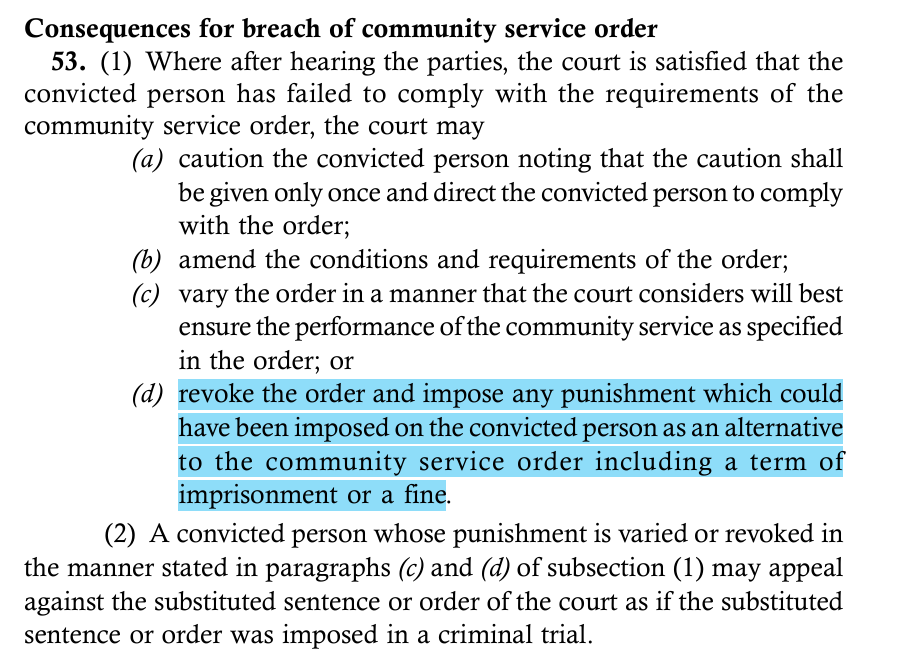
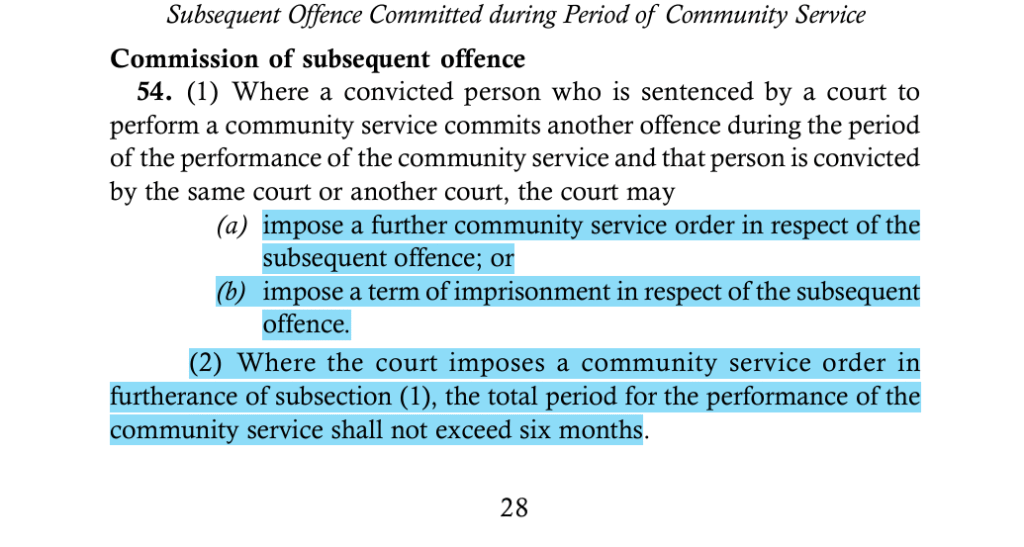
Fig. 5- Screenshots of the Community Service Law 2026, pg. 28
GhanaFact seeks further clarification
For further clarification, GhanaFact spoke to private legal practitioner and journalist, Samson Lardy Anyenini, who said the Community Service Law does not abolish custodial sentences for misdemeanours.
“The Act does not say that every misdemeanour must attract a non-custodial sentence or that imprisonment is no longer available for misdemeanours,” he said. He explained that Clause 39 requires courts to consider community service as an alternative punishment, but “what is mandatory is the consideration of community service, not necessarily its imposition.”
The legal practitioner said the law shifts the approach to minor offences by making community service an alternative that courts must consider, while retaining judicial discretion.
“Parliament has moved us away from imprisonment being the automatic or only response to minor offences and has made community service a sentencing alternative that the court must consider where the Act applies. But it has not abolished custodial sentences for misdemeanours,” he explained.
Verdict
Therefore, the claim is false!