
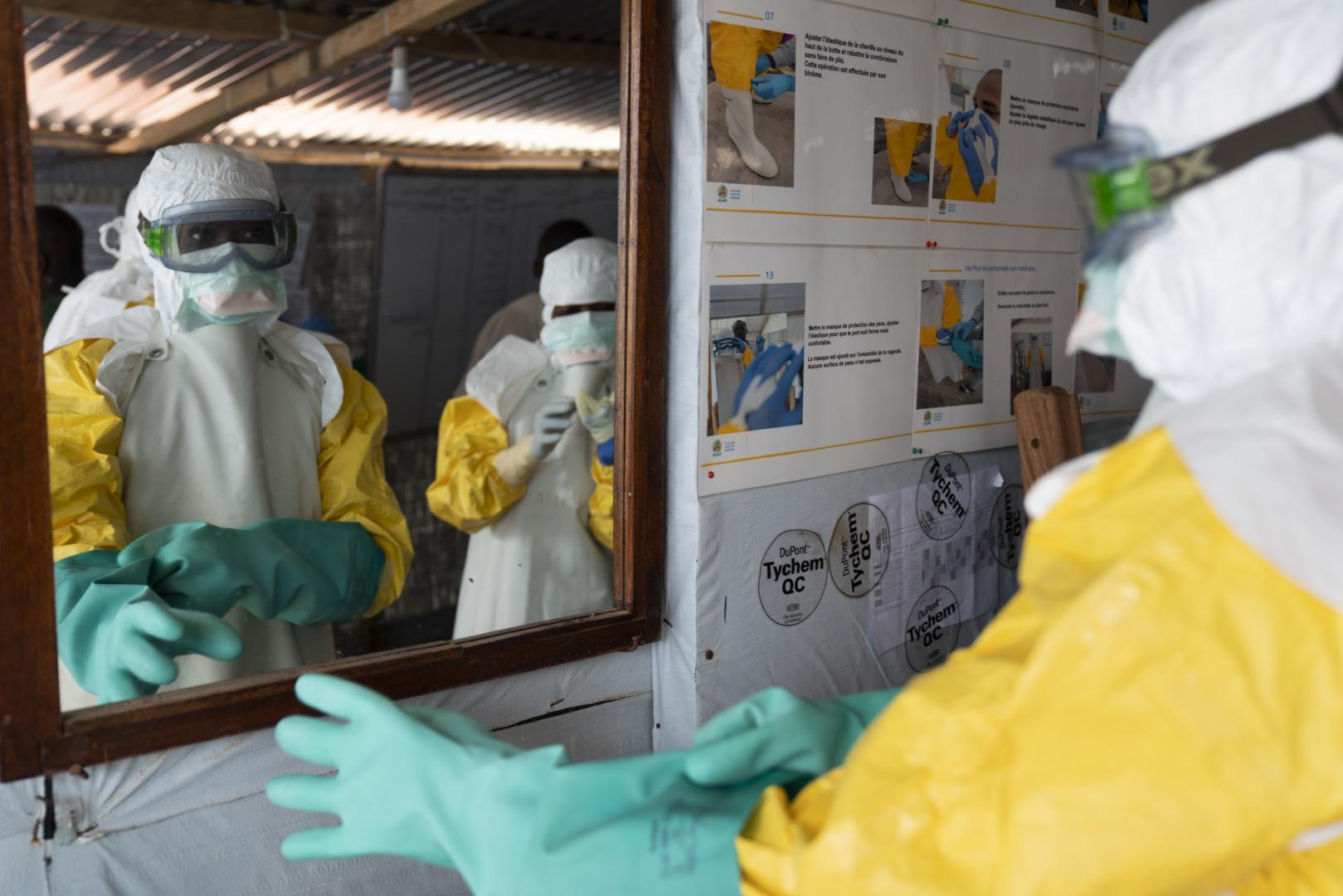
The World Health Organization (WHO) on May 17, 2026, declared Ebola as a Public Health Emergency of International Concern (PHEIC) following an outbreak in the Democratic Republic of the Congo (DRC) and Uganda.
According to WHO Director-General, Dr. Tedros Adhanom Ghebreyesus, although the outbreak does not currently meet the threshold for a pandemic emergency under the International Health Regulations (IHR 2005), it meets the PHEIC criteria because of rising cases, and cross-border transmission.
As of May 16, 2026, authorities have recorded 246 suspected cases and 80 deaths in parts of DRC, while Uganda confirmed imported cases linked to cross-border movement from the DRC.
“As of 16 May 2026, eight laboratory-confirmed cases, 246 suspected cases and 80 suspected deaths have been reported in Ituri Province of the Democratic Republic of the Congo across at least three health zones, including Bunia, Rwampara and Mongbwalu.
“In addition, two laboratory confirmed cases (including one death) with no apparent link to each other have been reported in Kampala, Uganda, within 24 hours of each other, on 15 and 16 May 2026, among two individuals travelling from the Democratic Republic of the Congo,” the WHO boss stated.
WHO noted that the outbreak is associated with the Bundibugyo strain of the Ebola virus, a relatively rare strain for which there are currently no approved vaccines or specific treatments. The organisation warned that this could complicate response efforts and increase the risk of further spread.
RelatedNews



The global health body said it was supporting affected countries through rapid response deployments, laboratory testing, surveillance, treatment centres, infection prevention measures, and cross-border preparedness activities.
MoH issues Public Alert on Ebola
What is Ebola Virus Disease?
Ghana’s Ministry of Health defines Ebola Virus Disease as “a severe viral illness spread through direct contact with bodily fluids of infected persons or contaminated materials and surfaces.”
Symptoms
Symptoms of the disease include fever, vomiting, headache, diarrhoea, and in severe cases, bleeding.
Preventive Measures
The ministry urges the public to remain calm and observe the following preventive measures:
- Wash hands regularly with soap under running water or use alcohol-based hand sanitizers.
- Avoid direct contact with bodily fluids of sick persons.
- Avoid handling dead bodies without appropriate protection.
- Avoid handling or eating sick or dead wild animals and ensure that all meat is properly handled and thoroughly cooked before consumption.
- Report suspected symptoms immediately to the nearest health facility.
The ministry further advise the public to “avoid spreading misinformation and rely on official updates from the Ministry of Health and the Ghana Health Service.”