

The Ministry of Health (MoH), in collaboration with the Ghana Health Service (GHS), has issued an alert urging the public to remain vigilant for possible cases of meningitis, particularly in communities within the meningitis belt during the dry and dusty season.
The reminder, signed by GHS Director General, Dr. Samuel Kaba Akoriyea, refers to an earlier public health alert issued on December 1, 2025 on key health risks during the harmattan season.
Meningitis affects the membranes covering the brain and spinal cord and can spread in crowded living conditions, making early detection and prompt medical care necessary. The ministry urged the public to take symptoms seriously and seek care without delay.
“All persons experiencing symptoms or suspecting a case of meningitis should report immediately to the nearest health facility,” the statement said.
It added that “surveillance systems have been strengthened, and health facilities are on alert to respond promptly to any suspected case,” the alert dated January 14, 2025, read.

About Meningitis
According to the World Health Organization, meningitis is the inflammation of the tissues surrounding the brain and spinal cord. It can be infectious or non-infectious in origin, can be associated with high risk of death and long-term complications, and requires urgent medical care.
RelatedNews


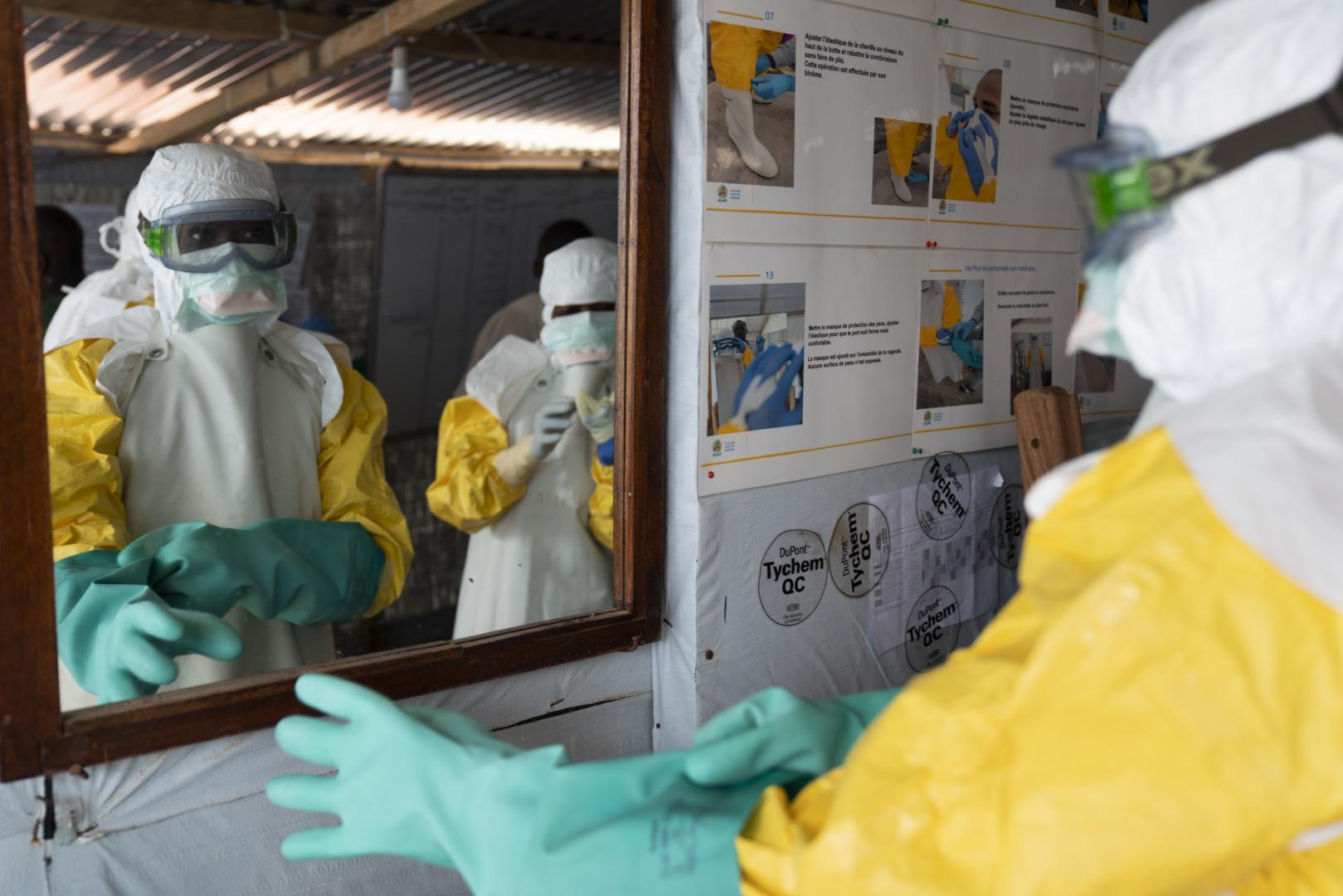

Meningitis remains a significant global health threat. It can be caused by several species of bacteria, viruses, fungi and parasites. Injuries, cancers and drugs cause a small number of cases.
Transmission, Symptoms and Diagnosis
Meningitis is primarily transmitted through respiratory droplets and direct contact with respiratory secretions. Overcrowded living conditions, such as those found in schools and dormitories, contribute to the rapid spread of the disease.
Common symptoms of meningitis include severe headache, fever, stiff neck, sensitivity to light, and altered mental status. Early recognition and prompt medical attention are crucial for effective treatment and prevention of complications.
Diagnosing meningitis involves a combination of clinical assessment and laboratory tests. Lumbar puncture, blood cultures, and imaging studies may be employed to confirm the presence of the infection and identify the causative agent.
How to avoid Meningitis
- Vaccination: Routine immunization against specific strains of bacteria causing meningitis is crucial for prevention. Vaccination campaigns are often organized during outbreaks.
- Hygiene Practices: Encouraging good respiratory hygiene, such as covering the mouth and nose when coughing or sneezing, can help reduce the spread of the disease.
- Early Detection and Treatment: Timely identification of cases and initiation of appropriate antibiotic treatment are essential to prevent complications and further transmission.
Written by Samuel Nii Adjetey