Thursday, April 16, 2026
Ghana Fact
  • Who We Are
    • About Us
    • How we work
    • Submit a claim to check
    • Partners
    • Our Team
    • Funding
    • Principles
    • Corrections
    • Privacy Policy
    • Press Releases
  • Contact
  • Home
    • Latest
    • Trending
  • Governance
  • DisinfoLab
    • Narrative Reports
    • Scams & Spam
  • Politics
    • Election 2020
    • Election 2024
  • Economy
  • Health
    • COVID-19
  • Environment
  • AI & Deepfakes
No Result
View All Result
Ghana Fact
  • Home
    • Latest
    • Trending
  • Governance
  • DisinfoLab
    • Narrative Reports
    • Scams & Spam
  • Politics
    • Election 2020
    • Election 2024
  • Economy
  • Health
    • COVID-19
  • Environment
  • AI & Deepfakes
No Result
View All Result
Ghana Fact
No Result
View All Result
Home Health

FACTSHEET: Ghana aims to eliminate Neglected Tropical Diseases by 2030

ghanafactbyghanafact
January 24, 2023
in Health
Reading Time: 3 mins read
A A
FACTSHEET: Ghana aims to eliminate Neglected Tropical Diseases by 2030
Share on FacebookShare on TwitterShare on ThreadsWhatsApp

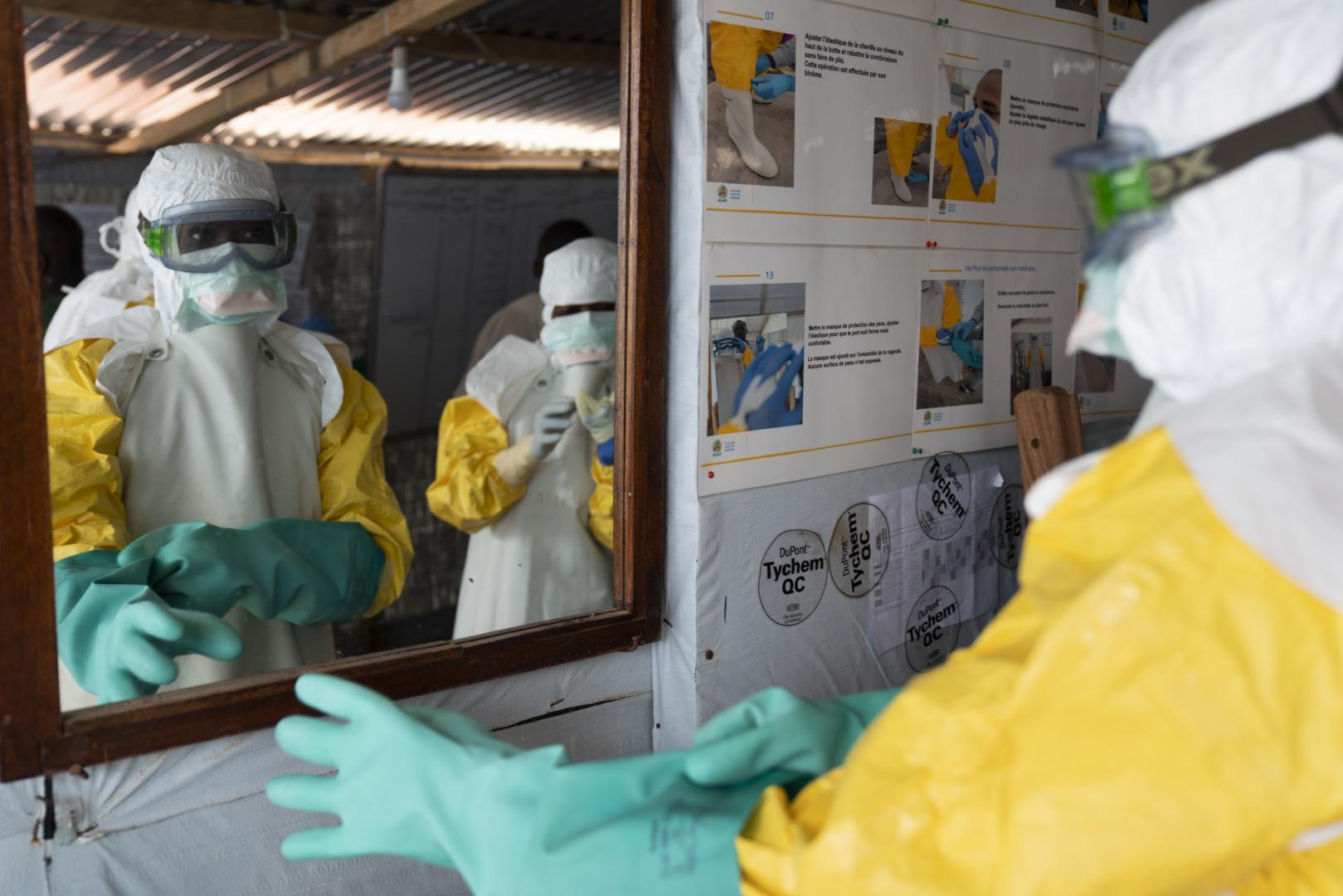
Ghana is endemic for 14 of the 20 Neglected Tropical Diseases (NTDs) identified by the World Health Organisation (WHO).

This is despite the fact that the West African nation has successfully eradicated 3 of these diseases, including Guinea worm, Trypanosomiasis, and Trachoma.

According to the Ghana Health Service, the country runs an NTD programme which has the mandate to “progressively reduce morbidity, disability and mortality due to NTDs using integrated and cost-effective approaches with the view to eliminate NTDs in Ghana by the year 2030.”

The other 11 diseases endemic in Ghana include Lymphatic Filariasis (elephantiasis), Onchocerciasis (river blindness), Schistosomiasis, Soil-transmitted helminths (worms), Buruli ulcer, Guinea worm, Leprosy, Yaws, human African Trypanosomiasis (sleeping sickness), Rabies, Cutaneous Leishmaniasis, Trachoma, Scabies, and Snakebite envenoming.

The program manager at the Neglected Tropical Diseases unit of the Ghana Health Services, Dr Joseph Opare, in a media interview said Lymphatic Filariasis, Soil-transmitted helminths, Onchocerciasis, and Bilharzia are some of the known NTDs that received regular mass drug administrations in Ghana.

Lymphatic filariasis (Elephantiasis)

RelatedNews

FACT-CHECK: NDC hasn’t borrowed more since 2025 than NPP did in 8 years, John Boadu’s claim False

FACT-CHECK: NDC hasn’t borrowed more since 2025 than NPP did in 8 years, John Boadu’s claim False

Climate Change, a driver of global health threats – President Mahama warns

Climate Change, a driver of global health threats – President Mahama warns

FACT-CHECK: Cameroon president did not appoint his son as Vice President

FACT-CHECK: Cameroon president did not appoint his son as Vice President

Dafeamekpor’s claim that A-G and OSP received similar budgetary allocation in 2025, 2026 is False

Dafeamekpor’s claim that A-G and OSP received similar budgetary allocation in 2025, 2026 is False

Lymphatic filariasis , also know us elephantiasis is a disease that affects the lymphatic system of its patients. Patients with elephantiasis are characterized by enlargement and disfiguration of their body parts and a lot of pain.

Its parasites (filarial parasites) are transmitted to humans through an infected mosquito vector.

According to the World Organisation, as of 2018, about 51 million people were infected, while in Ghana, Dr Joseph Opare indicates that the disease prevelance has been reduced from 116 districts to 7 as of the end of 2023 (19:54-20:08).

Onchocerciasis

Also known as river blindness, onchocerciasis is caused when blackflies infected by the onchocerca volvulus worm repeatedly bites an individual. It leads to blindness, severe body itching, and skin disfiguration in infected individuals.

According to the WHO, 99% of those infected by the disease are from 31 African countries, with more than 220 million people at risk of getting the disease globally.

Although the disease is yet to be eradicated in Ghana, the Ghana Health Service currently has almost zero cases of blind patients due to the illness, Dr Opare highlighted. (20:03-20:15).

Schistosomiasis 

Also known as Bilharzia, it is caused when people get in contact with parasitic blood flukes that infect river snails, thus making them vectors of the disease. The disease presents symptoms such as diarrhoea, abdominal pains, and bloody stool and urine.

On February 1, 2024, the Director of the Environmental and Sustainable Development Department of the Volta River Authority (VRA), Ben Sackey, reported increasing cases of schistosomiasis (Bilharzia) from Lakeside communities within the Volta Basin in the wake of the Akosombo Dam spillage.

Soil-transmitted helminths (Worms)

Soil-transmitted helminths are transmitted by eggs passed in the faeces of infected people. It can be controlled through periodical deworming to eliminate infecting worms, health education to prevent re-infection, and improved sanitation to reduce soil contamination with infective eggs.

Some symptoms infected persons may experience include diarrhoea, blood loss, and physical and mental retardation. The WHO estimates more than 1.5 billion (24%) people are infected globally.

Some ongoing preventive measures against NTD

In January and November  2023, the Ghana Health Service launched its annual Mass Drug Administration campaign against Onchocerciases and Lymphatic filariasis and conducted a National Mass Drug Administration exercise against Soil-Transmitted Helminths and Schistosomiasis across 116 districts in all regions except the capital in the Eastern and Greater Accra region.


By: Sedem Kwasigah



ShareTweetShareSend

Related Posts

Climate Change, a driver of global health threats – President Mahama warns

Climate Change, a driver of global health threats – President Mahama warns

Health misinformation: University of Ghana disclaims viral post about cassava cure for Type 2 diabetes

Health misinformation: University of Ghana disclaims viral post about cassava cure for Type 2 diabetes

Dry season: Ghana Health Service issues public health alert on meningitis  

Dry season: Ghana Health Service issues public health alert on meningitis  

FACT-CHECK: Coconut water and lime concoction is NOT an energy booster nor aphrodisiac

FACT-CHECK: Coconut water and lime concoction is NOT an energy booster nor aphrodisiac

Marburg outbreak in Ethiopia: MoH, GHS activate public health emergency response structures

Marburg outbreak in Ethiopia: MoH, GHS activate public health emergency response structures

2025 Paris Peace Forum: Ablakwa calls for global action against health misinformation

2025 Paris Peace Forum: Ablakwa calls for global action against health misinformation

Load More

Most Recent

FACT-CHECK: NDC hasn’t borrowed more since 2025 than NPP did in 8 years, John Boadu’s claim False

FACT-CHECK: NDC hasn’t borrowed more since 2025 than NPP did in 8 years, John Boadu’s claim False

Climate Change, a driver of global health threats – President Mahama warns

Climate Change, a driver of global health threats – President Mahama warns

FACT-CHECK: Cameroon president did not appoint his son as Vice President

FACT-CHECK: Cameroon president did not appoint his son as Vice President

Dafeamekpor’s claim that A-G and OSP received similar budgetary allocation in 2025, 2026 is False

Dafeamekpor’s claim that A-G and OSP received similar budgetary allocation in 2025, 2026 is False

Load More

Most Popular

FACT-CHECK: NDC hasn’t borrowed more since 2025 than NPP did in 8 years, John Boadu’s claim False

FACT-CHECK: NDC hasn’t borrowed more since 2025 than NPP did in 8 years, John Boadu’s claim False

FALSE: Bank of Ghana has not issued 500 cedi notes

FALSE: Bank of Ghana has not issued 500 cedi notes

Climate Change, a driver of global health threats – President Mahama warns

Climate Change, a driver of global health threats – President Mahama warns

South Korea and Japan are not offering $75000 for Black Men to impregnate their women

South Korea and Japan are not offering $75000 for Black Men to impregnate their women

Load More
Ghana Facts - factscheck

GhanaFact is a project by FactSpace West Africa aimed at curbing the spread of disinformation on traditional and social media.

Follow Us

Browse Articles

  • AI & Deepfakes
  • DisinfoLab
    • Narrative Reports
    • Scams & Spam
  • Economy
  • Election 2020
  • Election 2024
  • Environment
  • General News
  • Governance
  • Health
    • COVID-19
  • Other Checks
  • Politics
  • Press Releases
  • Promise Meter

Contact

Address: P. O. Box AB 521, Abeka-Lapaz, Accra

WhatsApp: +233 244 49 9971

Email: info@ghanafact.com

Memberships

Memberships
  • Submit a claim to verify
  • Contact
  • Corrections
  • Team
  • About
  • Funding
  • How we work
  • Partners
  • Principles
  • Sitemap
  • Privacy Policy

© 2025 Ghana Fact - All rights reserved - Web development by EnspireFX Websites.

No Result
View All Result
  • Home
    • Latest
    • Trending
  • Governance
  • DisinfoLab
    • Narrative Reports
    • Scams & Spam
  • Politics
    • Election 2020
    • Election 2024
  • Economy
  • Health
    • COVID-19
  • Environment
  • AI & Deepfakes

© 2025 Ghana Fact - All rights reserved - Web development by EnspireFX Websites.