
Introduction
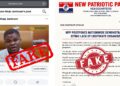
Democracy watchers have recently raised concerns about how disinformation affects democratic stability and government legitimacy in Africa. A 2025 report by the Media Foundation for West Africa highlighted how false narratives undermined the credibility of Ghana’s 2024 general elections.
Several research and policy reports (here, here, here, and here) documented how disinformation campaigns on social media have been used to influence voters during elections in Kenya, Côte d’Ivoire and South Africa.
Beyond the elections, a new narrative is being planted. One that is nurturing a generation of disciples drawn to anti-Western campaigners’ messages. This is reflected in the coordinated, consistent effort to glorify military rule as the appropriate form of governance for Africa.
In the West African sub-region, troll farms have pushed these narratives to boost the profile of Burkina Faso’s military ruler, Ibrahim Traoré. One Ghanaian drawn to these narratives is 26-year-old Stephen Dankwa.
“I often watch the developmental projects that he started in his country after becoming president,” Stephen said, alluding to claims about tomato factories and other infrastructure projects said to have been started by Traoré since he seized power in a military coup in 2022.
The Burkina Faso case is instructive, particularly on TikTok, where hundreds of AI-generated videos often portray Ibrahim Traoré as an African hero who challenges Western imperialism, while framing democratically elected leaders as weak, ineffective puppets of foreign interests.
RelatedNews

“These videos, flooding Sub-Saharan African social media, frequently contain false claims, such as Traoré paying off Burkina Faso’s sovereign debt or developing Africa’s first electric cars,” a 2025 DUBAWA report noted.
Such activities often rely on disinformation and malign narratives, including Foreign Information Manipulation and Interference (FIMI), to sow mistrust in democratic processes or influence policymaking and public discourse. They can also manifest as a soft power tactic, appealing to audiences in ways that seek to shape their preferences, as seen in the case of Stephen.
International Desk – The CDD-Ghana blueprint
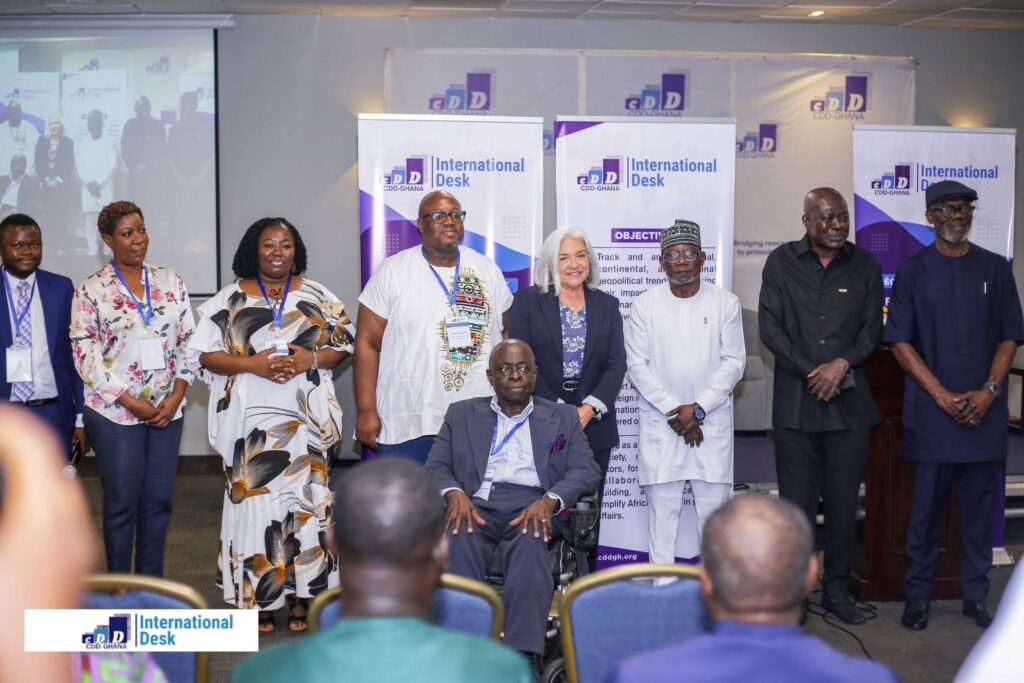
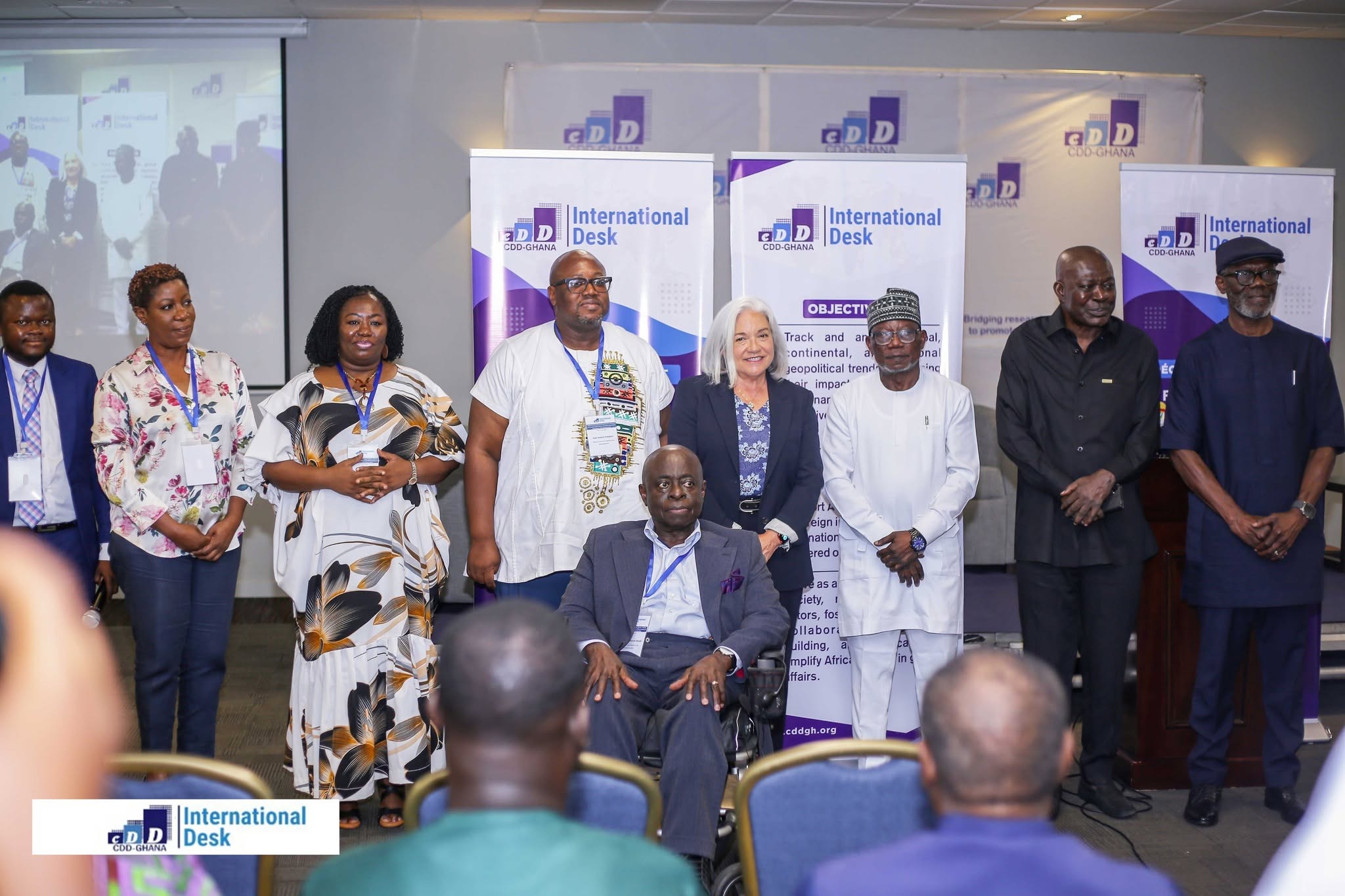
In Ghana, the International Desk of the Centre for Democratic Development (CDD-Ghana) offers a small blueprint for how democracies in West Africa can counter such malign influences. Launched in April 2025, the platform tracks and analyses geopolitical developments within Africa and the Sahel region and examines their implications for democracy.
“The International Desk is to monitor, keep an eye on all the various geopolitical actors that are playing diverse roles within the region and to find ways to ensure that whatever activity these actors play is something that supports democracy and promotes inclusive growth,” said Emmanuel Yeboah, a research analyst who coordinates the work of the desk.
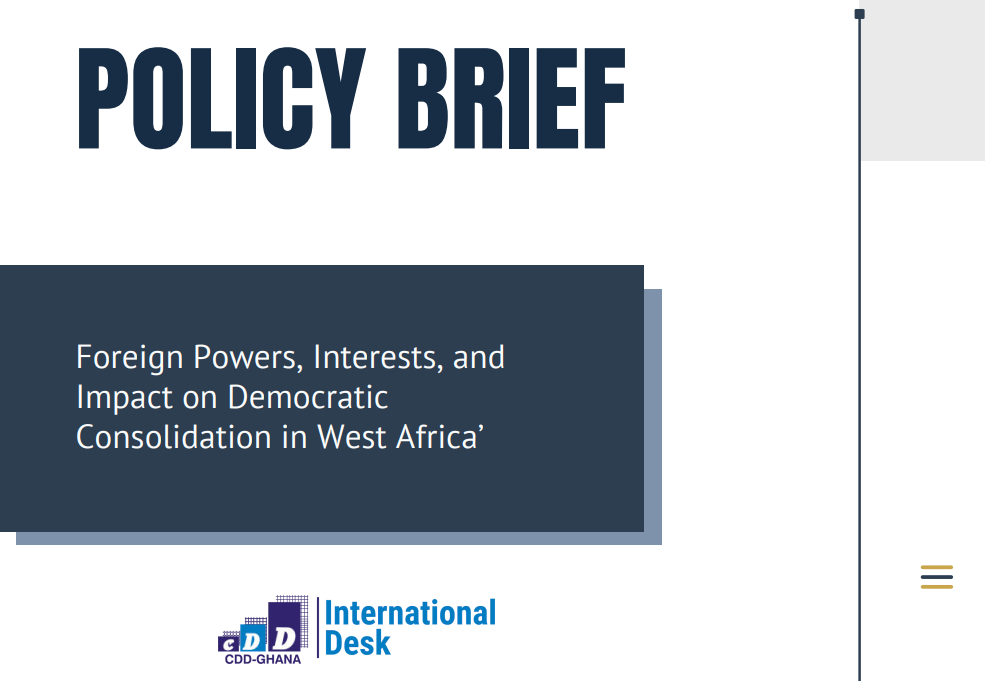
Since its launch, the Centre has sought to activate its research arm, beginning with a baseline study on foreign powers’ interests in Africa. The study was intended as a first step towards building a body of research on how foreign powers may be influencing Africa’s information environment and what foreign influence operations typically look like.
Talkshops, awareness and localised contexts
An important part of the model involves building a community of practice that brings together media practitioners and other civil society actors who share concerns about the threats posed by malign actors and foreign information manipulation and interference.
Journalists in this coalition are then expected to raise awareness of malign actors and disinformation in the local communities where they work.
Earlier this year, the International Desk organised a capacity-building workshop for media practitioners, bringing together those in gatekeeping roles, including editors, for a session on foreign influence, geopolitics and democratic resilience.
Sandra Ofosu, a journalist who participated in the workshop, said she is now more conscious of foreign influences and how they might affect the information she shares with her audience.
“I hadn’t really connected the dots when it comes to the influence of foreign entities on democracy in Ghana, the West African sub-region, and geopolitics. I believe that moving forward, I would be more conscious of fact-checking and trying to find out where certain foreign influences might be affecting even the reporting from my media house, and from other media sources that I might be relying on right here in Ghana,” she said.
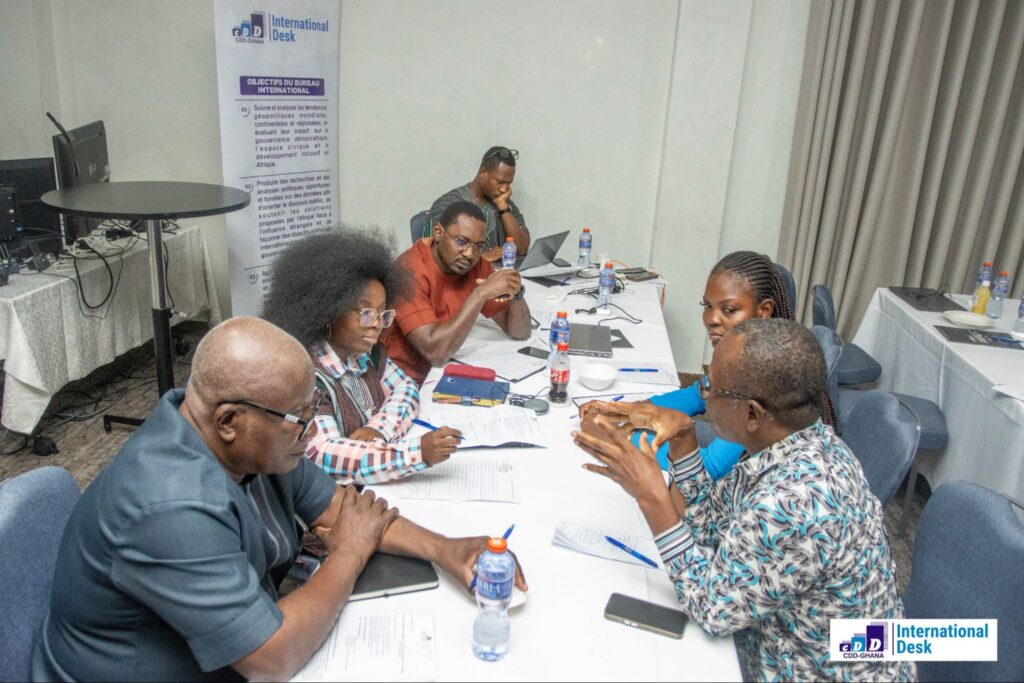
Beyond the coalition, Yeboah says the International Desk engages policymakers and parliamentarians, as well as the international community, as it did during the G20 summit in South Africa last November.
“We believe that they play this oversight role over the actions of the government and the kinds of contracts and deals the government goes into. And most of these things that we have identified are state-to-state interactions.
“So we have engaged the Parliament of Ghana, shared our reports with them, and we believe that it enhances their capacity to keep a keen eye on Ghana’s interactions with international actors,” he explained.
To what extent can the CDD-Ghana model go?
From its inception, the International Desk was less about fighting disinformation or tracking FIMI, which are already areas of focus for Ghana’s three main fact-checking organisations: DUBAWA, GhanaFact and Fact-Check Ghana.
According to Yeboah, the International Desk focuses more on building media capacity and resilience. This includes examining what media professionals know about malign influences, whether they can identify them, what conversations can be had about countering FIMI, and how these efforts can ultimately translate into more informed audiences.
Ghana, with a population of over 35 million, has not experienced an extensive use of disinformation machinery against its democracy, said Precious Ankomah, a programme manager at Penplusbytes.
But with developments in the Sahel, particularly the recent coups, accompanied by disinformation and FIMI narratives, she believes Ghana is not immune to disinformation and that foreign actors are using such campaigns to promote their own agendas.
“We had some bit of it during the 2024 elections, even though it wasn’t as damaging as it has been in some countries in the Sahel. So yes, Ghana needs to build our resilience. We need to see how these campaigns and malign actors used the information ecosystem in the Sahel region to their advantage, learn from it, and use that to build ourselves up if something like that happens. Disinformation is not static; it’s an evolving problem.”
According to her, initiatives such as CDD-Ghana’s International Desk work best when anchored in cooperation, synergy, and collective action. Where CDD-Ghana’s work does not focus on fact-checking, organisations such as DUBAWA, GhanaFact and Fact-Check Ghana can complement its efforts.
“Working together as defender communities against malign influence and other forms of disinformation remains the most effective way to beat the bad actors at their game,” Ankomah said, adding that: “It should look like a national effort and not an individual civil society effort at countering it.”
By Gifty Danso (This reporting was completed with the support of the Centre for Journalism Innovation and Development (CJID) under the SAIL+ Programme Fellowship)