
After over a month of hostilities in the heart of the global oil supply hub, a Pakistan-brokered two-week ceasefire became the clearest sign of the Middle East conflict slowing down since it started on February 28, 2026, when the United States and Israel launched airstrikes against Iran.
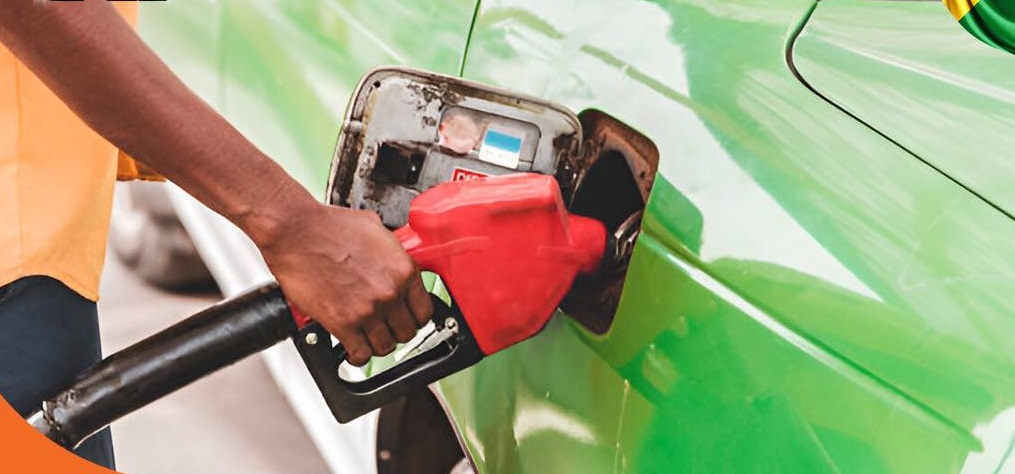
Despite the April 8 ceasefire, in the 38 days of hostilities, the global economy got badly hit. Despite being miles from the frontlines, the West African region was affected through rising costs of fuel imports, as different countries announced measures related to fuel prices.
The International Monetary Fund (IMF) cautioned during the conflict that: “Economies heavily dependent on oil imports in Africa and Asia are finding it increasingly hard to access the supplies they need, even at inflated prices.”
In this piece, FactSpace West Africa looks at how fuel prices were especially affected across Anglophone West Africa – from Nigeria to Ghana, Liberia to Sierra Leone and The Gambia.
| Pre-war prices | War-era price | Govt action | |||
| Country | Petrol | Diesel | Petrol | Diesel | Subsidy |
| Ghana | GH¢10.24 | GH¢11.34 | GH¢13.30 | GH¢17.10 | NO |
| Liberia | LD 755 | LD 810 | LD 910 | LD 1080 | NO |
| Nigeria | ₦1,162.5 | ₦1,620 | ₦1,051.47 | ₦1,430 | NO |
| Sierra Leone | NLe28.5 | NLe28.5 | NLe35 | NLe40 | YES |
| The Gambia | D82.50 | D84.60 | D98.00 | 95.00 | YES |
You can read our full report here: Pumps, prices and subsidies: How Anglophone West African countries managed fuel prices amid Middle East war
@factspacewa President Mahama has announced that effective 25th May, 2026, when we commemorate Africa Day, Ghana will commence a free visa regime for all Africans. Here is all you need to know about the free visa regime. #Throwback #ghanatiktok #viraltiktok #viralvideochallenge #viral?videotiktok😇😇 #trendy #viralvideo #goviral #viralchallenge #trendingvideo #trend #FALSE #mahama #NPP #NDC #REPARATIONS
♬ original sound – FactspaceWA – FactspaceWARelatedNews