
The Ghana Health Service (GHS) in its latest update on July 27, 2025, has reported the death of one person from Mpox amidst the increasing spread of the disease in the country.
According to the GHS, 23 new cases were recorded as of July 22, 2025, bringing the country’s total number of confirmed Mpox cases to 257, with no hospital admissions.
GHS also shared some safety tips as follows: “Avoid close contact with infected individuals, wash hands regularly and report symptoms early to the nearest health facility.”

What is Mpox?
Mpox is a viral disease that is transmitted to humans through close contact with an infected person or animal, or with material contaminated with the virus.
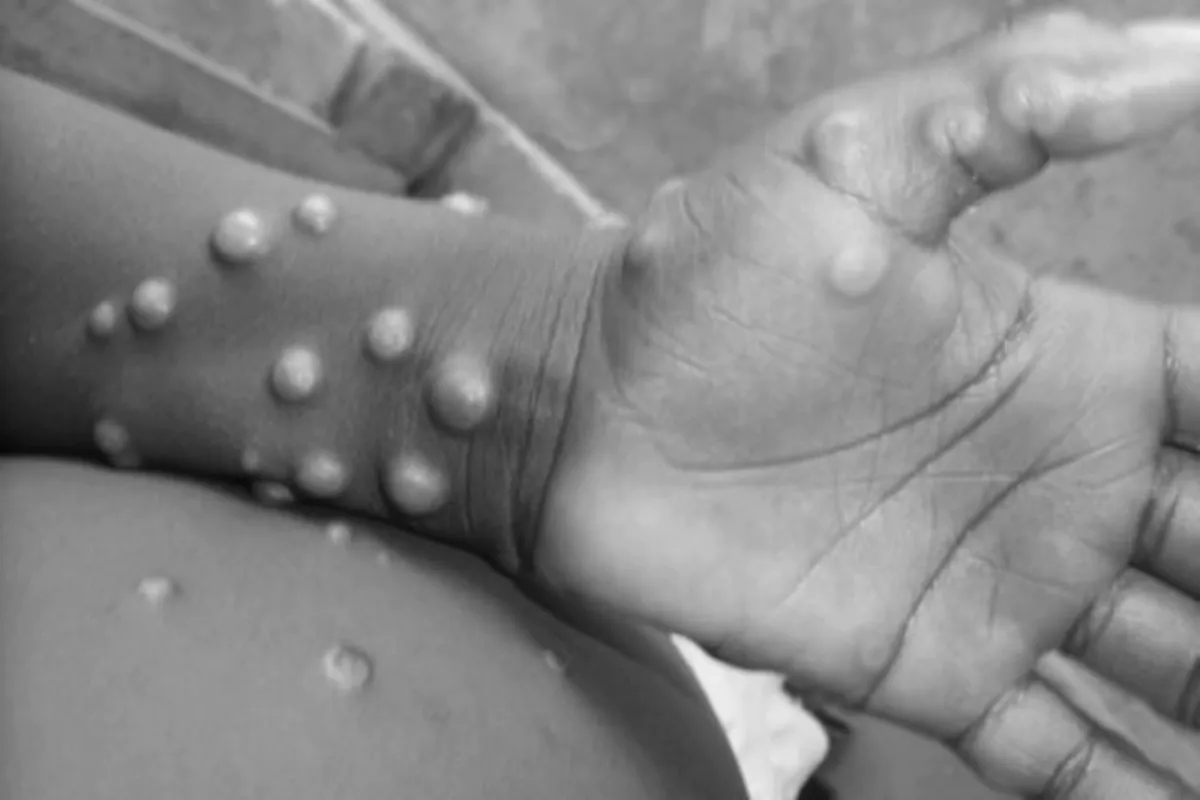
Common symptoms include fever, rash, headache, muscle aches, back pain, low energy, and swollen lymph nodes.
- Mpox spreads from person to person mainly through close contact with someone who has mpox, including members of a household.
- Close contact includes skin-to-skin (such as touching or sex) and mouth-to-mouth or mouth-to-skin contact (such as kissing), and it can also include being face-to-face with someone who has mpox (such as talking or breathing close to one another, which can generate infectious respiratory particles).
- People with multiple sexual partners are at higher risk of acquiring mpox.
- People can also contract mpox from contaminated objects such as clothing or linen, through needle injuries in health care, or in community settings such as tattoo parlours.
- During pregnancy or birth, the virus may be passed to the baby. Contracting mpox during pregnancy can be dangerous for the fetus or newborn infant and can lead to loss of the pregnancy, stillbirth, death of the newborn, or complications for the parent.
- Animal-to-human transmission of mpox occurs from infected animals to humans from bites or scratches, or during activities such as hunting, skinning, trapping, cooking, playing with carcasses or eating animals. The animal reservoir of the monkeypox virus remains unknown, and further studies are underway.
Read more about Mpox, its symptoms, transmission, treatment, and prevention from our previous report.
RelatedNews



By: Nusrat Essah