Friday, April 24, 2026
Ghana Fact
  • Who We Are
    • About Us
    • How we work
    • Submit a claim to check
    • Partners
    • Our Team
    • Funding
    • Principles
    • Corrections
    • Privacy Policy
    • Press Releases
  • Contact
  • Home
    • Latest
    • Trending
  • Governance
  • DisinfoLab
    • Narrative Reports
    • Scams & Spam
  • Politics
    • Election 2020
    • Election 2024
  • Economy
  • Health
    • COVID-19
  • Environment
  • AI & Deepfakes
No Result
View All Result
Ghana Fact
  • Home
    • Latest
    • Trending
  • Governance
  • DisinfoLab
    • Narrative Reports
    • Scams & Spam
  • Politics
    • Election 2020
    • Election 2024
  • Economy
  • Health
    • COVID-19
  • Environment
  • AI & Deepfakes
No Result
View All Result
Ghana Fact
No Result
View All Result
Home Health

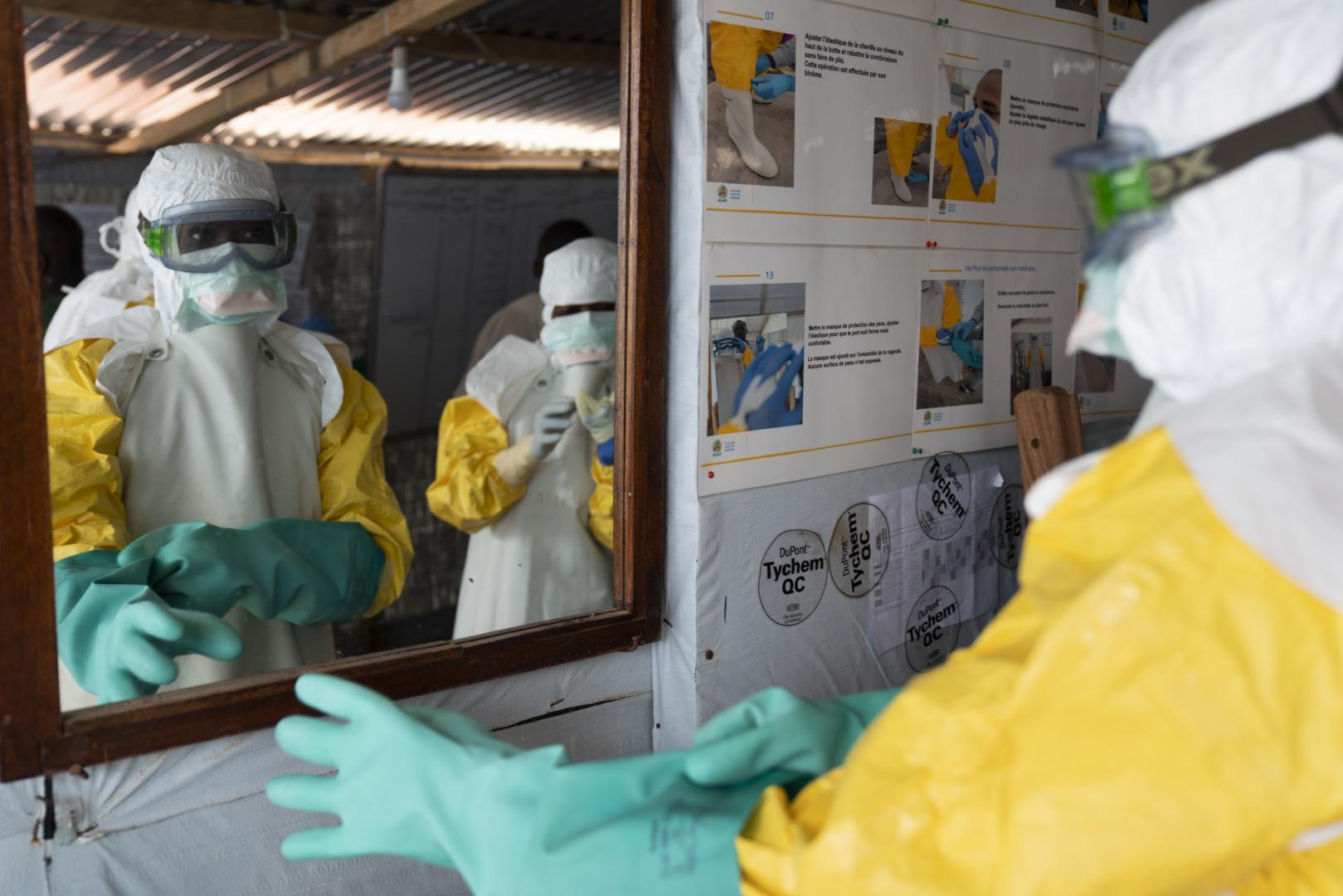
FACTSHEET: What to know about Bilharzia amid fears of outbreak following Akosombo dam spillage

ghanafactbyghanafact
March 9, 2024
in Health
Reading Time: 3 mins read
A A
FACTSHEET: What to know about Bilharzia amid fears of outbreak following Akosombo dam spillage
Share on FacebookShare on TwitterShare on ThreadsWhatsApp

Bilharzia also known as schistosomiasis affects almost 240 million people across the world, with more than 700 million live in endemic areas.

In Ghana, there are emerging concerns about the possible rise in cases of female genital schistosomiasis (FGS) at Lakeside communities within the Volta Basin in the wake of the Akosombo Dam spillage (1,2).

Schistosomiasis was a “major challenge” that came with the construction of the dam and is now feared dominant in over 400 communities in five regions sharing the Volta Basin, the Director of the Environmental and Sustainable Development Department of the Volta River Authority (VRA), Ben Sackey disclosed.

What is Schistosomiasis (Bilharzia)?

Schistosomiasis is an acute and chronic disease caused by parasitic worms.

According to the WHO, Schistosomiasis is a disease of poverty that leads to chronic ill health, with at least 251.4 million people requiring preventive treatment for schistosomiasis in 2021, out of which more than 75.3 million people were reported to have been treated.

RelatedNews

FACT-CHECK: President Mahama’s claim that NCDs account for 42% of all deaths in Ghana is partly true

FACT-CHECK: President Mahama’s claim that NCDs account for 42% of all deaths in Ghana is partly true

Explainer: All you need to know about the Free Primary Healthcare Programme

Explainer: All you need to know about the Free Primary Healthcare Programme

Misleading! Video claiming to be Special Prosecutor’s response to recent High Court order is from 2023

Misleading! Video claiming to be Special Prosecutor’s response to recent High Court order is from 2023

False! Ghana’s daily minimum wage is not GH¢19, neither is it the lowest in West Africa

False! Ghana’s daily minimum wage is not GH¢19, neither is it the lowest in West Africa

“The infection is prevalent in tropical and sub-tropical areas, in poor communities without potable water and adequate sanitation,” the World Health Organisation noted.

How Bilharzia is transmitted?

Infection is acquired when people come into contact with fresh water infested with the larval forms (cercariae) of parasitic blood flukes, known as schistosomes. It is prevalent in tropical and sub-tropical areas, in poor communities without potable water and adequate sanitation.

  • People become infectedwhen larval forms of the parasite – released by freshwater snails – penetrate the skin during contact with infested water.
  • Transmissionoccurs when people suffering from schistosomiasis contaminate freshwater sources with faeces or urine containing parasite eggs, which hatch in water.

How can Bilharzia be controlled or prevented?

The control of schistosomiasis is based on the large-scale treatment of at-risk population groups, including:

  • Access to safe water
  • Improved sanitation
  • Hygiene education and behaviour change
  • Snail control and environmental management

Schistosomiasis control has been successfully implemented over the past 40 years in several countries, including Brazil, Cambodia, China, Egypt, Mauritius, the Islamic Republic of Iran, Oman, Jordan, Saudi Arabia, Morocco, Tunisia, etc. In Burundi, Burkina Faso, Ghana, Niger, Rwanda, Sierra Leone, the United Republic of Tanzania, and Yemen.

Symptoms

Symptoms of schistosomiasis are caused by the body’s reaction to the worms’ eggs and manifest in the following way:

  • Intestinal schistosomiasis can result in abdominal pain, diarrhoea, and blood in the stool.
  • Liver enlargement is common in advanced cases and is frequently associated with an accumulation of fluid in the peritoneal cavity
  • Hypertension of the abdominal blood vessels. In such cases, there may also be enlargement of the spleen.
  • The classic sign of urogenital schistosomiasis is haematuria (blood in urine).

What happens when schistosomiasis is not treated on time?

  • Fibrosis of the bladder and ureter
  • Kidney damage is sometimes diagnosed in advanced cases.
  • Bladder cancer is another possible complication in the later stages.
  • In women, urogenital schistosomiasis may present with genital lesions, vaginal bleeding, and pain during sexual intercourse, and nodules in the vulva.
  • In men, urogenital schistosomiasis can induce pathology of the seminal vesicles, prostate, and other organs.
  • This disease may also have other long-term irreversible consequences, including infertility.


By: Gifty Tracy Aminu

ShareTweetShareSend

Related Posts

FACT-CHECK: President Mahama’s claim that NCDs account for 42% of all deaths in Ghana is partly true

FACT-CHECK: President Mahama’s claim that NCDs account for 42% of all deaths in Ghana is partly true

Explainer: All you need to know about the Free Primary Healthcare Programme

Explainer: All you need to know about the Free Primary Healthcare Programme

Climate Change, a driver of global health threats – President Mahama warns

Climate Change, a driver of global health threats – President Mahama warns

Health misinformation: University of Ghana disclaims viral post about cassava cure for Type 2 diabetes

Health misinformation: University of Ghana disclaims viral post about cassava cure for Type 2 diabetes

Dry season: Ghana Health Service issues public health alert on meningitis  

Dry season: Ghana Health Service issues public health alert on meningitis  

FACT-CHECK: Coconut water and lime concoction is NOT an energy booster nor aphrodisiac

FACT-CHECK: Coconut water and lime concoction is NOT an energy booster nor aphrodisiac

Load More

Most Recent

FACT-CHECK: President Mahama’s claim that NCDs account for 42% of all deaths in Ghana is partly true

FACT-CHECK: President Mahama’s claim that NCDs account for 42% of all deaths in Ghana is partly true

Explainer: All you need to know about the Free Primary Healthcare Programme

Explainer: All you need to know about the Free Primary Healthcare Programme

Misleading! Video claiming to be Special Prosecutor’s response to recent High Court order is from 2023

Misleading! Video claiming to be Special Prosecutor’s response to recent High Court order is from 2023

False! Ghana’s daily minimum wage is not GH¢19, neither is it the lowest in West Africa

False! Ghana’s daily minimum wage is not GH¢19, neither is it the lowest in West Africa

Load More

Most Popular

FACT-CHECK: President Mahama’s claim that NCDs account for 42% of all deaths in Ghana is partly true

FACT-CHECK: President Mahama’s claim that NCDs account for 42% of all deaths in Ghana is partly true

FACT-CHECK: Has Niger adopted Hausa as a new official language?

FACT-CHECK: Has Niger adopted Hausa as a new official language?

FACT-CHECK: NDC hasn’t borrowed more since 2025 than NPP did in 8 years, John Boadu’s claim False

FACT-CHECK: NDC hasn’t borrowed more since 2025 than NPP did in 8 years, John Boadu’s claim False

False! Ghana’s daily minimum wage is not GH¢19, neither is it the lowest in West Africa

False! Ghana’s daily minimum wage is not GH¢19, neither is it the lowest in West Africa

Load More
Ghana Facts - factscheck

GhanaFact is a project by FactSpace West Africa aimed at curbing the spread of disinformation on traditional and social media.

Follow Us

Browse Articles

  • AI & Deepfakes
  • DisinfoLab
    • Narrative Reports
    • Scams & Spam
  • Economy
  • Election 2020
  • Election 2024
  • Environment
  • General News
  • Governance
  • Health
    • COVID-19
  • Other Checks
  • Politics
  • Press Releases
  • Promise Meter

Contact

Address: P. O. Box AB 521, Abeka-Lapaz, Accra

WhatsApp: +233 244 49 9971

Email: info@ghanafact.com

Memberships

Memberships
  • Submit a claim to verify
  • Contact
  • Corrections
  • Team
  • About
  • Funding
  • How we work
  • Partners
  • Principles
  • Sitemap
  • Privacy Policy

© 2025 Ghana Fact - All rights reserved - Web development by EnspireFX Websites.

No Result
View All Result
  • Home
    • Latest
    • Trending
  • Governance
  • DisinfoLab
    • Narrative Reports
    • Scams & Spam
  • Politics
    • Election 2020
    • Election 2024
  • Economy
  • Health
    • COVID-19
  • Environment
  • AI & Deepfakes

© 2025 Ghana Fact - All rights reserved - Web development by EnspireFX Websites.