Friday, April 24, 2026
Ghana Fact
  • Who We Are
    • About Us
    • How we work
    • Submit a claim to check
    • Partners
    • Our Team
    • Funding
    • Principles
    • Corrections
    • Privacy Policy
    • Press Releases
  • Contact
  • Home
    • Latest
    • Trending
  • Governance
  • DisinfoLab
    • Narrative Reports
    • Scams & Spam
  • Politics
    • Election 2020
    • Election 2024
  • Economy
  • Health
    • COVID-19
  • Environment
  • AI & Deepfakes
No Result
View All Result
Ghana Fact
  • Home
    • Latest
    • Trending
  • Governance
  • DisinfoLab
    • Narrative Reports
    • Scams & Spam
  • Politics
    • Election 2020
    • Election 2024
  • Economy
  • Health
    • COVID-19
  • Environment
  • AI & Deepfakes
No Result
View All Result
Ghana Fact
No Result
View All Result
Home Health

FACTSHEET: Malaria is a substantial public health burden in Ghana

ghanafactbyghanafact
December 28, 2023
in Health
Reading Time: 3 mins read
A A
FACTSHEET: Malaria is a substantial public health burden in Ghana
Share on FacebookShare on TwitterShare on ThreadsWhatsApp

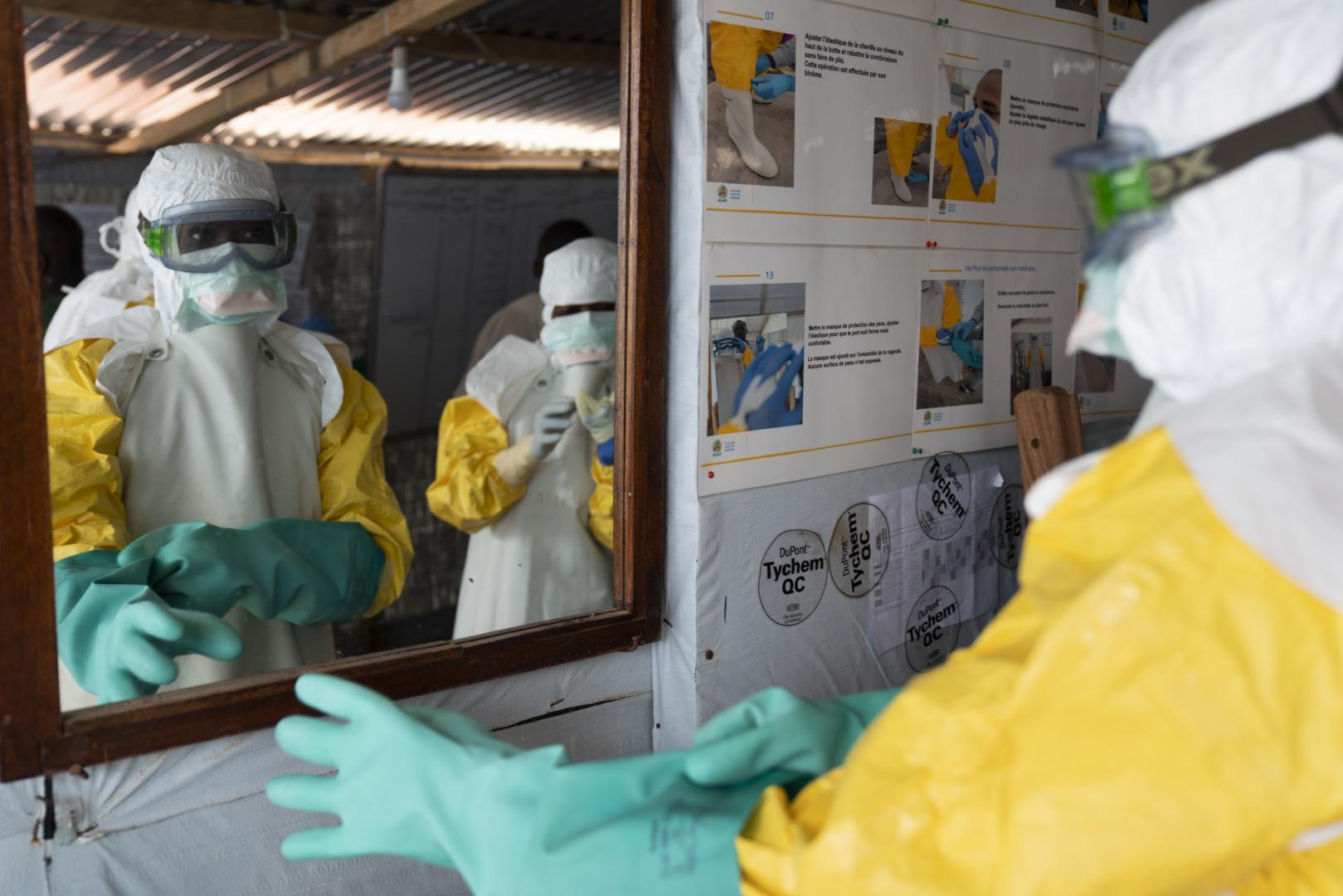
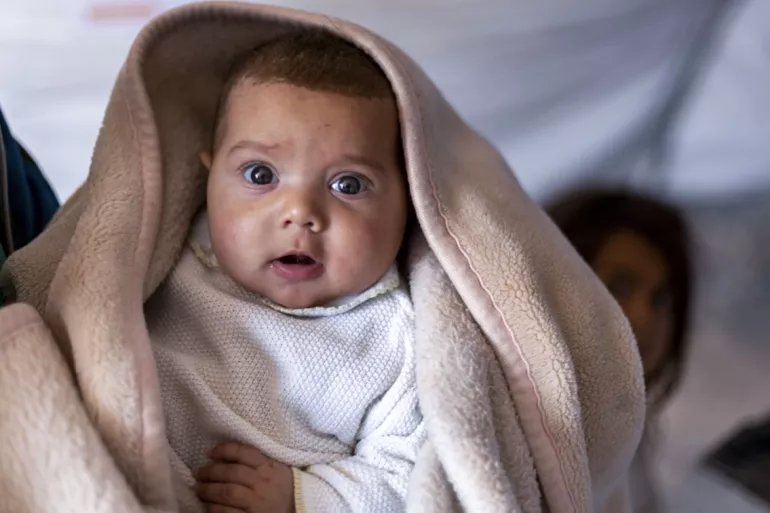
Malaria is a life-threatening disease that remains a serious public health challenge in Ghana after killing12,557 people in 2021.

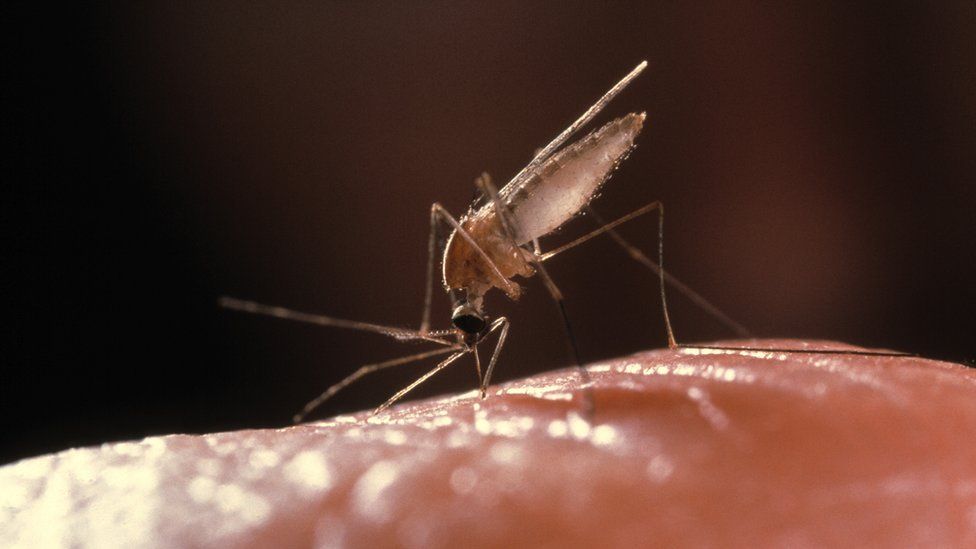
The country recorded 5.4 million malaria cases that same year and the presence of the invasive Anopheles stephensi mosquito which is said to pose a major threat to current malaria control and elimination efforts is even heightening concerns.

“The new vector was confirmed in March 2023, from samples taken in Tuba and Dansoman, in the Greater Accra region, as part of the routine malaria surveillance system and vector control monitoring done across the country through designated sentinel sites,” a statement from the Ghana Health Service (GHS) said.

According to data from the World Health Organization, 249 million malaria cases were recorded around the world and 608,000 deaths confirmed in 2022, with the African region carrying 94% and 95% of cases and deaths respectively.

What is Anopheles Stephensi?

Anopheles stephensi is a mosquito species capable of transmitting both Plasmodium falciparum and P. vivax malaria parasites. “Unlike the other main mosquito vectors of malaria, it thrives in urban settings,” the World Health Organisation said.

RelatedNews

FACT-CHECK: President Mahama’s claim that NCDs account for 42% of all deaths in Ghana is partly true

FACT-CHECK: President Mahama’s claim that NCDs account for 42% of all deaths in Ghana is partly true

Explainer: All you need to know about the Free Primary Healthcare Programme

Explainer: All you need to know about the Free Primary Healthcare Programme

Misleading! Video claiming to be Special Prosecutor’s response to recent High Court order is from 2023

Misleading! Video claiming to be Special Prosecutor’s response to recent High Court order is from 2023

False! Ghana’s daily minimum wage is not GH¢19, neither is it the lowest in West Africa

False! Ghana’s daily minimum wage is not GH¢19, neither is it the lowest in West Africa

Originally native to parts of South Asia and the Arabian Peninsula, An. stephensi has been expanding its range over the last decade, with detections reported in Djibouti (2012), Ethiopia and Sudan (2016), Somalia (2019) and Nigeria (2020.

On September 29, 2022, the World Health Organization launched new initiatives to stop the spread of the invasive malaria vector in Africa.

How Anopheles stephensi spreads

Just like other vectors, Ghana Health Service described Anopheles stephensi as unique and known to breed in myriad sources such as; Ponds, swamps, marshes, artificial containers, and other man-made container spots.

  • The vector can breed in almost all water sources, some of which are not traditional breeding sites of the common anopheles species, particularly in urban areas.
  • The vector also survives in extremely high temperatures during the dry season when malaria transmission usually declines.
  •  It also spreads fast, adapts to different climatic conditions and presents challenges to its control.

How to prevent the spread of the disease

Malaria can be prevented by avoiding mosquito bites or by taking medicines. Lower the risk of getting malaria by avoiding mosquito bites:

  • Use mosquito nets when sleeping in places where malaria is present
  • Use mosquito repellents (containing DEET, IR3535 or Icaridin) after dusk.
  • Use coils and vaporizers
  • Wear protective clothing.
  • Use window screens
  • Ensure the removal of water collection points in and around homes and communities to minimize the breeding sites for this new mosquito species.
  • Cover all water containers to avoid mosquito breeding.

Recommended action plan for Ghana

  1. Expand Surveillance:Increase efforts to determine the distribution and spread of An. stephensi in both urban and rural areas.
  2. Incorporate Molecular-Based Detection Tools:Integrate molecular-based detection tools into surveillance systems for early identification of invasive malaria vectors.
  3. Prioritize National Malaria Elimination Program:Channel efforts within the National Malaria Elimination Program to curb the dissemination of An. stephensi.


By: David Yovo-Ofori

ShareTweetShareSend

Related Posts

FACT-CHECK: President Mahama’s claim that NCDs account for 42% of all deaths in Ghana is partly true

FACT-CHECK: President Mahama’s claim that NCDs account for 42% of all deaths in Ghana is partly true

Explainer: All you need to know about the Free Primary Healthcare Programme

Explainer: All you need to know about the Free Primary Healthcare Programme

Climate Change, a driver of global health threats – President Mahama warns

Climate Change, a driver of global health threats – President Mahama warns

Health misinformation: University of Ghana disclaims viral post about cassava cure for Type 2 diabetes

Health misinformation: University of Ghana disclaims viral post about cassava cure for Type 2 diabetes

Dry season: Ghana Health Service issues public health alert on meningitis  

Dry season: Ghana Health Service issues public health alert on meningitis  

FACT-CHECK: Coconut water and lime concoction is NOT an energy booster nor aphrodisiac

FACT-CHECK: Coconut water and lime concoction is NOT an energy booster nor aphrodisiac

Load More

Most Recent

FACT-CHECK: President Mahama’s claim that NCDs account for 42% of all deaths in Ghana is partly true

FACT-CHECK: President Mahama’s claim that NCDs account for 42% of all deaths in Ghana is partly true

Explainer: All you need to know about the Free Primary Healthcare Programme

Explainer: All you need to know about the Free Primary Healthcare Programme

Misleading! Video claiming to be Special Prosecutor’s response to recent High Court order is from 2023

Misleading! Video claiming to be Special Prosecutor’s response to recent High Court order is from 2023

False! Ghana’s daily minimum wage is not GH¢19, neither is it the lowest in West Africa

False! Ghana’s daily minimum wage is not GH¢19, neither is it the lowest in West Africa

Load More

Most Popular

FACT-CHECK: President Mahama’s claim that NCDs account for 42% of all deaths in Ghana is partly true

FACT-CHECK: President Mahama’s claim that NCDs account for 42% of all deaths in Ghana is partly true

FACT-CHECK: Has Niger adopted Hausa as a new official language?

FACT-CHECK: Has Niger adopted Hausa as a new official language?

FACT-CHECK: NDC hasn’t borrowed more since 2025 than NPP did in 8 years, John Boadu’s claim False

FACT-CHECK: NDC hasn’t borrowed more since 2025 than NPP did in 8 years, John Boadu’s claim False

False! Ghana’s daily minimum wage is not GH¢19, neither is it the lowest in West Africa

False! Ghana’s daily minimum wage is not GH¢19, neither is it the lowest in West Africa

Load More
Ghana Facts - factscheck

GhanaFact is a project by FactSpace West Africa aimed at curbing the spread of disinformation on traditional and social media.

Follow Us

Browse Articles

  • AI & Deepfakes
  • DisinfoLab
    • Narrative Reports
    • Scams & Spam
  • Economy
  • Election 2020
  • Election 2024
  • Environment
  • General News
  • Governance
  • Health
    • COVID-19
  • Other Checks
  • Politics
  • Press Releases
  • Promise Meter

Contact

Address: P. O. Box AB 521, Abeka-Lapaz, Accra

WhatsApp: +233 244 49 9971

Email: info@ghanafact.com

Memberships

Memberships
  • Submit a claim to verify
  • Contact
  • Corrections
  • Team
  • About
  • Funding
  • How we work
  • Partners
  • Principles
  • Sitemap
  • Privacy Policy

© 2025 Ghana Fact - All rights reserved - Web development by EnspireFX Websites.

No Result
View All Result
  • Home
    • Latest
    • Trending
  • Governance
  • DisinfoLab
    • Narrative Reports
    • Scams & Spam
  • Politics
    • Election 2020
    • Election 2024
  • Economy
  • Health
    • COVID-19
  • Environment
  • AI & Deepfakes

© 2025 Ghana Fact - All rights reserved - Web development by EnspireFX Websites.