
Friday, November 20, 2026
Ghana Fact
  • Who We Are
    • About Us
    • How we work
    • Submit a claim to check
    • Partners
    • Our Team
    • Funding
    • Principles
    • Corrections
    • Privacy Policy
    • Press Releases
  • Contact
  • Home
    • Latest
    • Trending
  • Governance
  • DisinfoLab
    • Narrative Reports
    • Scams & Spam
  • Politics
    • Election 2020
    • Election 2024
  • Economy
  • Health
    • COVID-19
  • Environment
  • AI & Deepfakes
No Result
View All Result
Ghana Fact
  • Home
    • Latest
    • Trending
  • Governance
  • DisinfoLab
    • Narrative Reports
    • Scams & Spam
  • Politics
    • Election 2020
    • Election 2024
  • Economy
  • Health
    • COVID-19
  • Environment
  • AI & Deepfakes
No Result
View All Result
Ghana Fact
No Result
View All Result
Home General News

El Niño: Ghana Health Service issues public alert on possible health risks

ghanafactbyghanafact
November 20, 2026
in General News, Health
Reading Time: 3 mins read
A A
El Niño: Ghana Health Service issues public alert on possible health risks
Share on FacebookShare on TwitterShare on ThreadsWhatsApp
Follow us on Google News

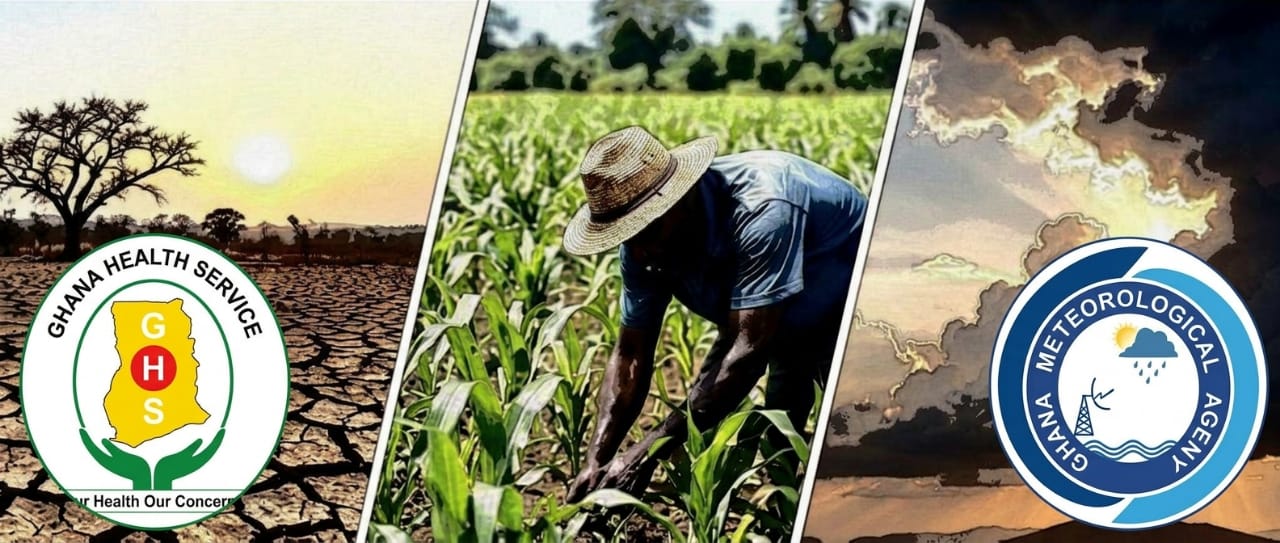
The Ghana Health Service (GHS) has warned about the potential public health risk associated with the El Niño weather conditions, outlining guidelines on how individuals could stay safe.

In a press release issued on November 18, 2026, GHS cautioned that high temperatures during the harmattan season could lead to an increased risks including: 

  • Meningitis outbreak
  • Heat exhaustion
  • Dehydration
  • Respiratory infections among other climate-related health risks.

The GHS also warned of prolonged dry spells, increased dust levels, sudden rainfall and flooding in parts of Southern Ghana.

The Service urged parents, teachers, traditional leaders, religious leaders, community organisations and local government authorities to amplify public education and promote preventive measures particularly in the Northern, Upper East, Upper West, Savannah, Northeast and Bono East. 

❗️PRESS RELEASE❗️

Public Health Alert: Protection Against Anticipated Effects of the Weather Phenomenon EL NIÑO pic.twitter.com/TdwiKSyL5o

— Ghana Health Service (@_GHSofficial) November 18, 2026

GHS also encouraged early preparedness and stressed that the occurrence of El Niño does not automatically mean that there will be an outbreak of meningitis.

The alert comes after the Ghana Meteorological Agency published a report on El Niño, the increased temperature conditions and the impact on public health, agriculture, water sources and hydroelectric power in Ghana. You can read GhanaFact’s analysis on the El Niño phenomenon.

RelatedNews
El Niño FACTSHEET | Extreme heat and dry spells in Ghana: All you need to know

El Niño FACTSHEET | Extreme heat and dry spells in Ghana: All you need to know

Ministry of Health declares Yellow Fever outbreak in Upper West Region - Ghana Fact

Ministry of Health declares Yellow Fever outbreak in Upper West Region

Dry season: Ghana Health Service issues public health alert on meningitis - Ghana Fact

Dry season: Ghana Health Service issues public health alert on meningitis  

Marburg outbreak in Ethiopia: MoH, GHS activate public health emergency response structures - Ghana Fact

Marburg outbreak in Ethiopia: MoH, GHS activate public health emergency response structures

What is El Niño?

The Ghana Meteorological Agency (GMet) defines  El Niño as a “naturally recurring pattern of warming and cooling of seasurface temperatures in the central and eastern equatorial Pacific Ocean, coupled with corresponding shifts in tropical atmospheric circulation.” 

El Niño usually occurs every two to seven years and can affect temperatures and rainfall worldwide, often contributing to higher temperatures, droughts and floods.

How to stay safe from general effects of El Niño

  1. Stay hydrated (drink water regularly, 1 cup of water per hour and at least 2–3 litres per day) 
  2. Avoid extreme heat (stay in the shade, and avoid going outside and doing strenuous activity during the hottest time of day). 
  3. Use light and loose-fitting clothing and bed linens 
  4. Clean hands regularly 
  5. Never leave children or animals in parked vehicles for any amount of time, as temperatures can quickly become dangerously high.
  6. Eliminate standing water around homes and in clogged gutters as they are breeding sites for Aedes mosquitoes that transmit dengue.
  7. Check on vulnerable member of your family

Tags: El Niñoghana health serviceGHSGMetpublic health alert
ShareTweetShareSend
Follow us on Google News

Related Posts

Ghana Rejects $109m US Health Compact - The Funding, Data and Sovereignty Questions

Ghana Rejects $109m US Health Compact – The Funding, Data and Sovereignty Questions

FALSE! Afenyo-Markin claims NPP introduced every social intervention programme since 1993

FALSE: Afenyo-Markin claims NPP introduced every social intervention programme since 1993

FACT-CHECK: Is Ghana the safest country in West Africa?

President Mahama warns of AI-driven misinformation, urges journalists to verify digital content

Breast Cancer Awareness Month: Here is what to know 

Breast Cancer Awareness Month: Here is what to know 

FactSpace West Africa’s 1M views milestone on TikTok - Highlights of an impactful reel journey so far

FactSpace West Africa’s 1M views milestone on TikTok – Highlights of an impactful reel journey so far 

Scam alerts, fake press release: How BoG, ECG, GRA, others fought digital misinformation in September - Ghana Fact

Scam alerts, fake press release: How BoG, ECG, GRA, others fought digital misinformation in September

Load More
Follow us on Google News

Most Recent

El Niño: Ghana Health Service issues public alert on possible health risks

El Niño: Ghana Health Service issues public alert on possible health risks

FALSE: Afenyo-Markin claims NPP lost all seats in galamsey areas in 2020

NPP did not lose seats in all mining areas in 2020, Afenyo-Markin’s claim False

Ghana Rejects $109m US Health Compact - The Funding, Data and Sovereignty Questions

Ghana Rejects $109m US Health Compact – The Funding, Data and Sovereignty Questions

El Niño FACTSHEET | Extreme heat and dry spells in Ghana: All you need to know

El Niño FACTSHEET | Extreme heat and dry spells in Ghana: All you need to know

Load More

Most Popular

Health misinformation: University of Ghana disclaims viral post about cassava cure for Type 2 diabetes - Ghana Fact

Health misinformation: University of Ghana disclaims viral post about cassava cure for Type 2 diabetes

Ghana Rejects $109m US Health Compact - The Funding, Data and Sovereignty Questions

Ghana Rejects $109m US Health Compact – The Funding, Data and Sovereignty Questions

El Niño FACTSHEET | Extreme heat and dry spells in Ghana: All you need to know

El Niño FACTSHEET | Extreme heat and dry spells in Ghana: All you need to know

FALSE: Afenyo-Markin claims NPP lost all seats in galamsey areas in 2020

NPP did not lose seats in all mining areas in 2020, Afenyo-Markin’s claim False

Load More
Ghana Facts - factscheck

GhanaFact is a project by FactSpace West Africa aimed at curbing the spread of disinformation on traditional and social media.

Follow Us

Browse Articles

  • AI & Deepfakes
  • DisinfoLab
    • Narrative Reports
    • Scams & Spam
  • Economy
  • Election 2020
  • Election 2024
  • Environment
  • General News
  • Governance
  • Health
    • COVID-19
  • Other Checks
  • Politics
  • Press Releases
  • Promise Meter

Contact

Address: P. O. Box AB 521, Abeka-Lapaz, Accra

WhatsApp: +233 244 49 9971

Email: info@ghanafact.com

Memberships

Memberships
  • Submit a claim to verify
  • Contact
  • Corrections
  • Team
  • About
  • Funding
  • How we work
  • Partners
  • Principles
  • Sitemap
  • Privacy Policy

© 2025 Ghana Fact - All rights reserved - Web development by EnspireFX Websites.

No Result
View All Result
  • Home
    • Latest
    • Trending
  • Governance
  • DisinfoLab
    • Narrative Reports
    • Scams & Spam
  • Politics
    • Election 2020
    • Election 2024
  • Economy
  • Health
    • COVID-19
  • Environment
  • AI & Deepfakes