

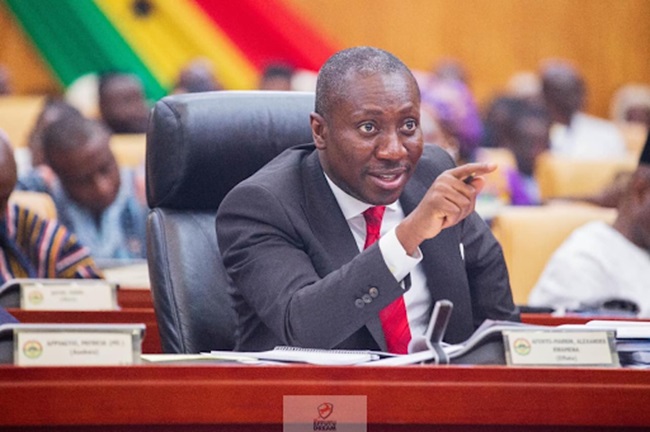
Ghana is in the process of enacting a law to combat misinformation and disinformation, according to the Minister of Communication, Digital Technology, and Innovations, Samuel Nartey George.
Speaking at a ministerial press briefing on July 3, 2025, at the Information Services Department (ISD) in Accra, he stressed that the bill was “to protect Ghana’s digital ecosystem” adding that the National Anti-Misinformation Bill is one of the government’s interventions in digital innovation efforts in the second quarter of this year.
“The Ministry is making steady progress on advancing the National Misinformation and Disinformation Bill. This draft legislation is designed to strengthen legal safeguards against the deliberate creation and spread of false or harmful digital content. It will provide a clear legal framework for enforcement, enabling statutory bodies to act decisively while upholding freedom of expression,” he said.
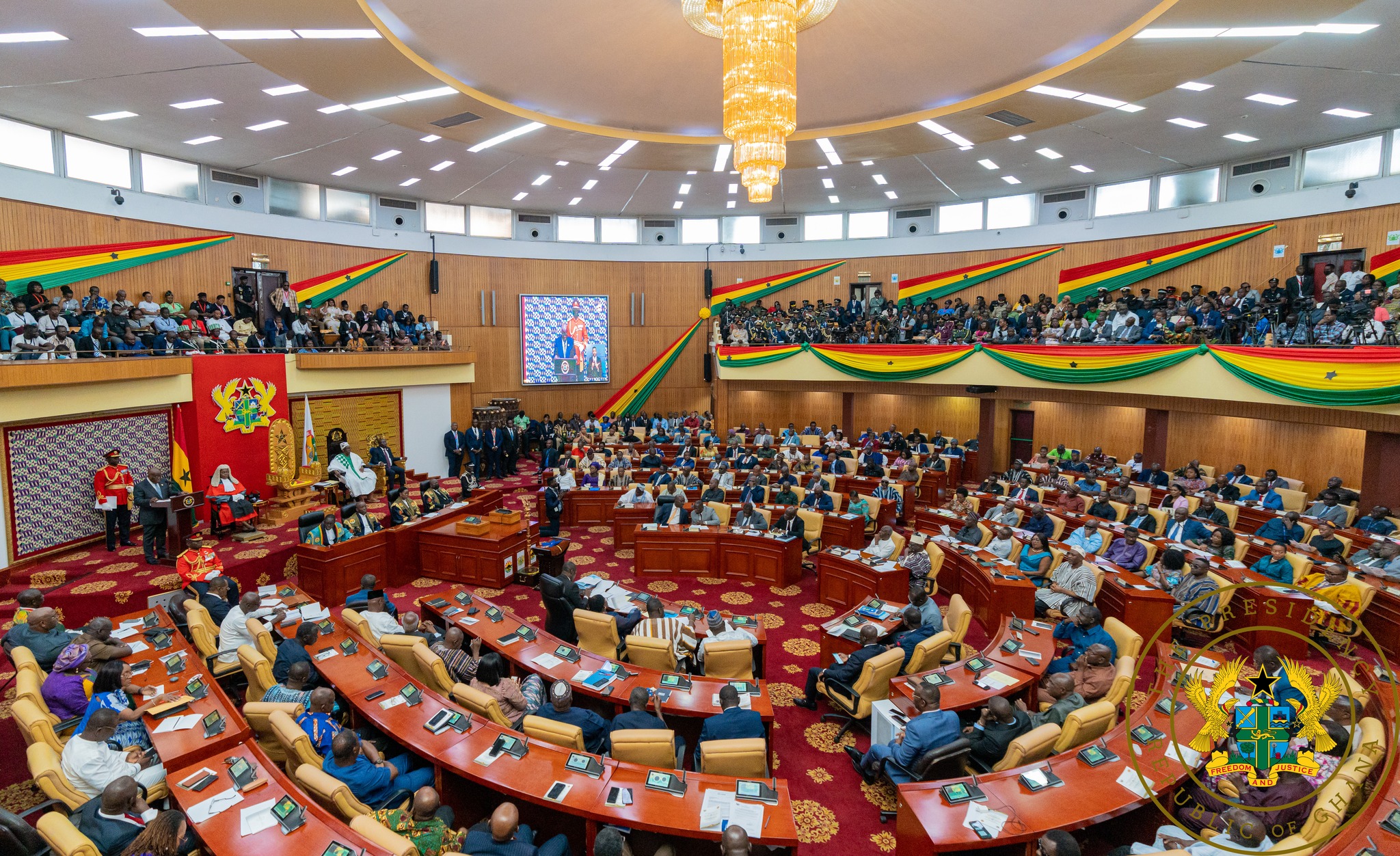
“The Bill is set to be presented to parliament for review in its upcoming session and reflects the Ministry’s commitment to ensuring accountability, fostering trustworthy public discourse, and promoting digital literacy without compromising democratic values.
“And let me be clear, we will not clamp down on freedom of expression, that will be respected. However, where your right to free expression ends, your duty not to misinform begins,” he emphasised. (watch between 06:51 and 07:50 seconds)
NITA’s data exchange hub and misinformation chatbot
On related matters, the Minister disclosed that the National Information Technology Agency (NITA) was also working on the rollout of a data exchange hub.
RelatedNews


“NITA is finalising the deployment of the Ghana Data Exchange Hub. This hub will enable secured data exchange between MDAs and SOEs, real-time service integration across government and reduce duplicative data collection and improve data accuracy.”
On AI governance and combating misinformation, the Minister, also Member of Parliament for Ningo-Prampram, further disclosed that the government plans to use AI to combat components of misinformation in official documentation.
“NITA is piloting an AI-based public service solution in collaboration with local innovators such as Impuntoon Technologies. This includes chatbots and predictive analytics for use in education and health. A public misinformation platform is currently in final testing, that will allow citizens to verify official documents.”
“So when Felix puts out a statement and you want to be sure that it is really Felix that has put out the statement, we will have digital embedded tools that will allow for you to tell that it is actually authentic government documentation and not the misinformation that you see around town,” he stressed. (watch from 36:26 seconds – 37:14 seconds)

Legal route to fighting information disorder
A current Supreme Court Justice, Sir Dennis Dominic Adjei, during his vetting before Parliament’s Appointments Committee, stated his support for legislation to combat information disorder.
Asked whether he would support the criminalisation of misinformation, disinformation and the posting of or setting up of fake accounts, he replied: “Yes, please, because if you do it ordinarily, it is an offence. And therefore, if you transpose it to social media, it should be an offence.”
The subject of a law to combat the spread of fake news has become topical in recent months.
Amid conversations of an express law to curb misinformation and disinformation, media rights activists have warned of the potential for the law being exploited and misused.
The groups cited vagueness in existing laws, such as the Criminal Offences Act 160 (Act 29), the Electronic Communications Act, 2008 (Act 775) and the Cybersecurity Act 2020 (Act 1038).