

Claim: Rural electrification was extended from about 40% to 73% during Rawlings’ era
Source: Rockson-Nelson Dafeamekpor (MP, South Dayi)
Verdict: False
Researched Gifty Tracy Aminu
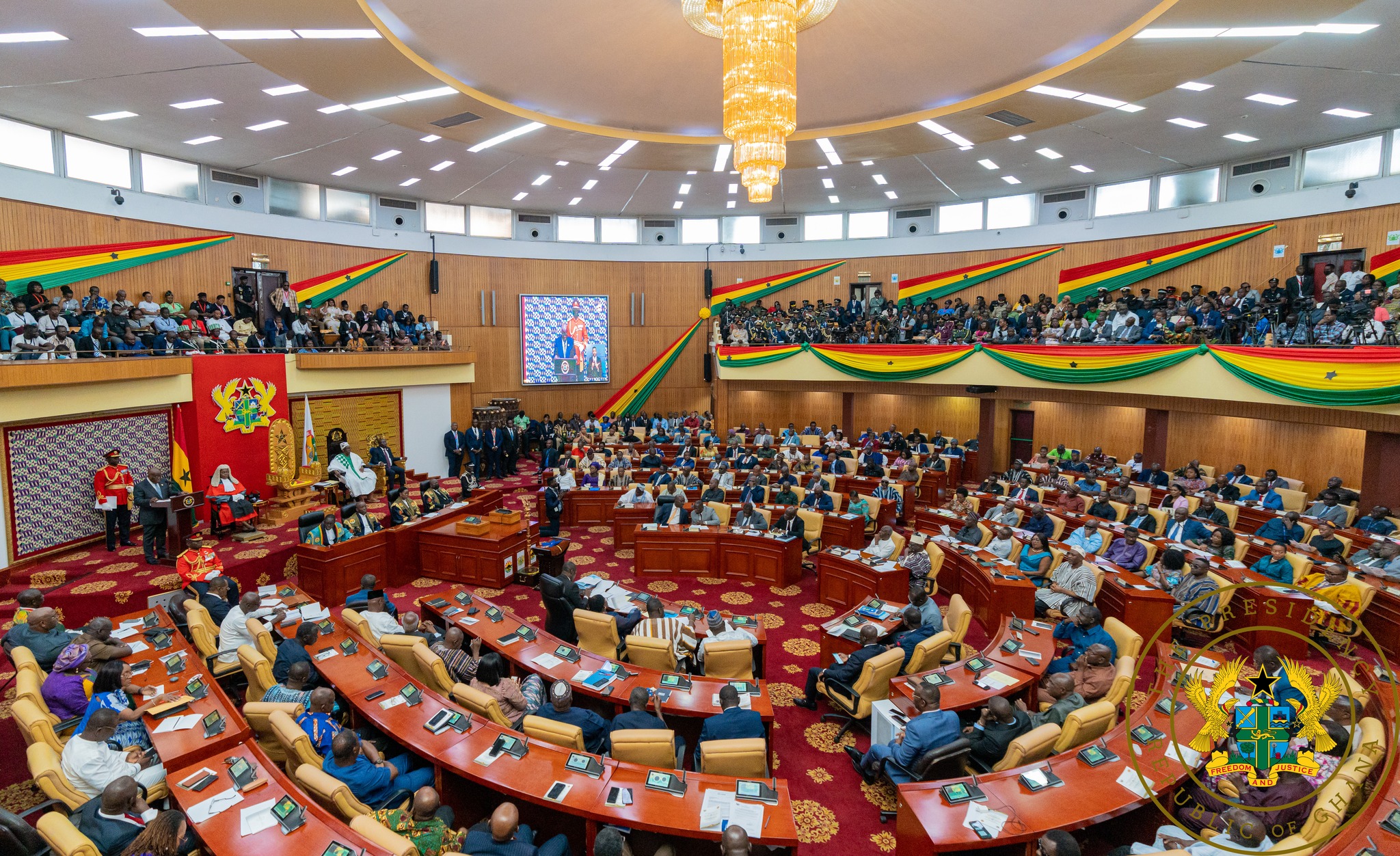
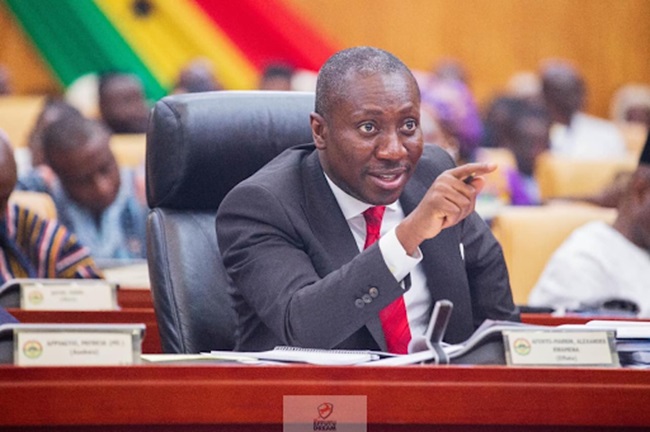
The Member of Parliament (MP) for the South Dayi Constituency, Rockson-Nelson Dafeamekpor, claimed the former President Jerry John Rawlings extended rural electrification from 40% to 73% before leaving office in 2001.
In an X post dated October 22, the MP said, “Prof. Aryeetey, as a Passionate leader, JJ Rawlings extended rural electrification from about around 40% to 73% when he exited. Angry leaders don’t do that.”
The claim was part of a response to a Channel One TV flyer with a quote, “Acheampong meant well, Nkrumah had vision, Rawlings led with anger,” attributed to Prof. Ernest Aryeetey, a former Vice Chancellor of the University of Ghana.
RelatedNews


This fact-check aims to verify rural access to electricity as of the time President Rawlings left office in 2001.
Fact-check
GhanaFact relied on the World Bank’s Open Data platform to verify the rural electrification figures when Rawlings became president and at the time he left office.
The World Bank defines Access to Electricity as, “the percentage of population with access to electricity. Electrification data are collected from industry, national surveys and international sources.”
Measuring access to electricity is usually captured in three categories, which are the national, rural and urban electrification.
National electrification is a percentage of the total population with access to electricity. Rural electrification is measured by the percentage of the population in rural areas with access to electricity, same as urban electrification.
Even though the former President assumed office in 1981 through a coup d’état, he was constitutionally elected in 1992 and formally took office in 1993. Per data published by the World Bank, as of 1993, 30.6% of Ghana’s population was connected to electricity.
The data also shows that rural electrification in Ghana in 1993 was 2.9% and same was extended to 17.4% by 2001.

According to the World Bank Open Data, only 44.8% of the total population was connected to electricity in 2001, the year the late former President Jerry John Rawlings exited the office.

Also, GhanaFact looked at the electricity connection in the urban areas of Ghana for 1993 and 2001. In 1993, Ghana recorded a rate of 74.6% electrification in urban areas, which increased to 78.9% by 2001.
| Data Source | Rural electrification (1993) | Rural electrification (2001) |
| MP Dafeamekpor | About 40% | 73% |
| World Bank data | 2.9% | 17.4% |
Verdict
Therefore, the claim that rural electrification in Ghana during the administration of the late former President Rawlings was extended from about 40% to 73% is False.