
Ghana’s position as an economic heavyweight in Africa has recently become a subject of public discourse, with key government figures citing especially the projected size and rank of the economy at the continental level.
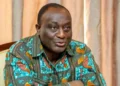
During the 2026 SONA, on February 27, 2026, President John Dramani Mahama stated that: “In 2025, Ghana’s GDP is expected to reach USD 113 billion, an increase from USD 83 billion dollars at the end of 2024. This has placed Ghana among the top ten largest economies in Africa.”
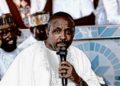
Similarly, the Labour Minister, Abdul-Rashid Pelpuo, speaking in an interview with Channel One TV, on February 21, 2026, claimed: “Within one year of his administration, we were the number 10 richest country in Africa with a GDP that places us at number 10. Today, after one year of administration, good governance, committed leadership, we shot up to number eight with a GDP that is above 100 billion (USD).” (Watch from 15: 30)
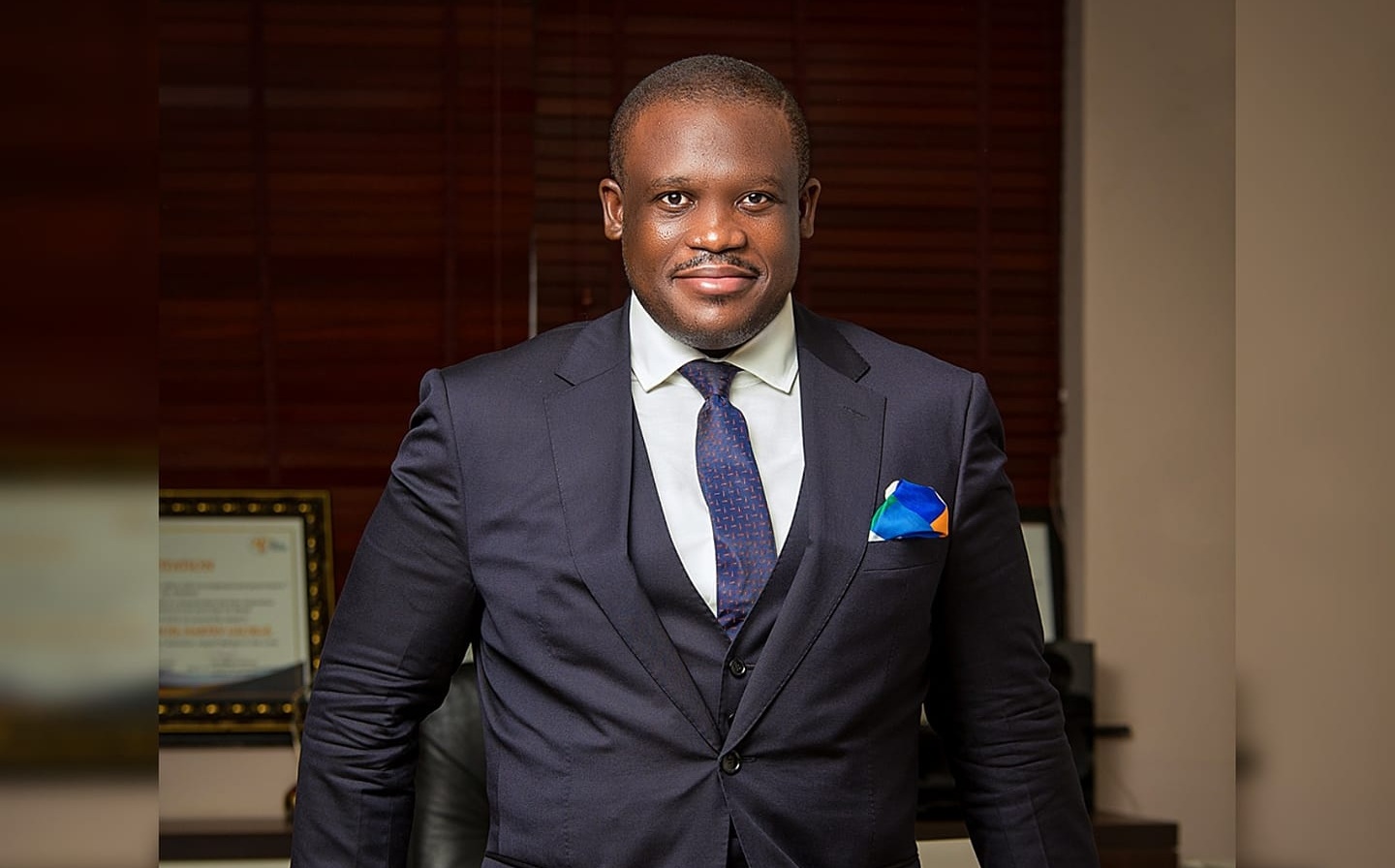
The Finance Minister, Dr Cassiel Ato Forson, also commented on the same metric in February, stating: “The size of Ghana’s economy has crossed the $100 billion landmark threshold. The size of Ghana’s economy is projected to reach $140 billion by end 2025, making it the 7th largest economy in Africa in 2025.”
| Metric | John Mahama | Rashid Pelpuo | Ato Forson |
| Rank of economy | Top 10 in Africa | Number 8 in Africa | Number 7 in Africa |
| Size of the economy | $113bn (projected) | Above $100bn | $140bn (projected) |
Given these varying statements, this report seeks to verify Ghana’s current economic position on the continent.
Here are the facts:
The International Monetary Fund (IMF) data portal is a “gold standard” for reporting on global, continental and national Gross Domestic Product (GDP) actuals and projections. According to latest figures, Ghana’s economy is expected to reach $113.49 billion in 2026, placing the country among the top 10 largest economies in Africa.
RelatedNews


Based on these projections, Ghana ranks as the 8th largest economy in Africa, ahead of Cote d’Ivoire and Angola.
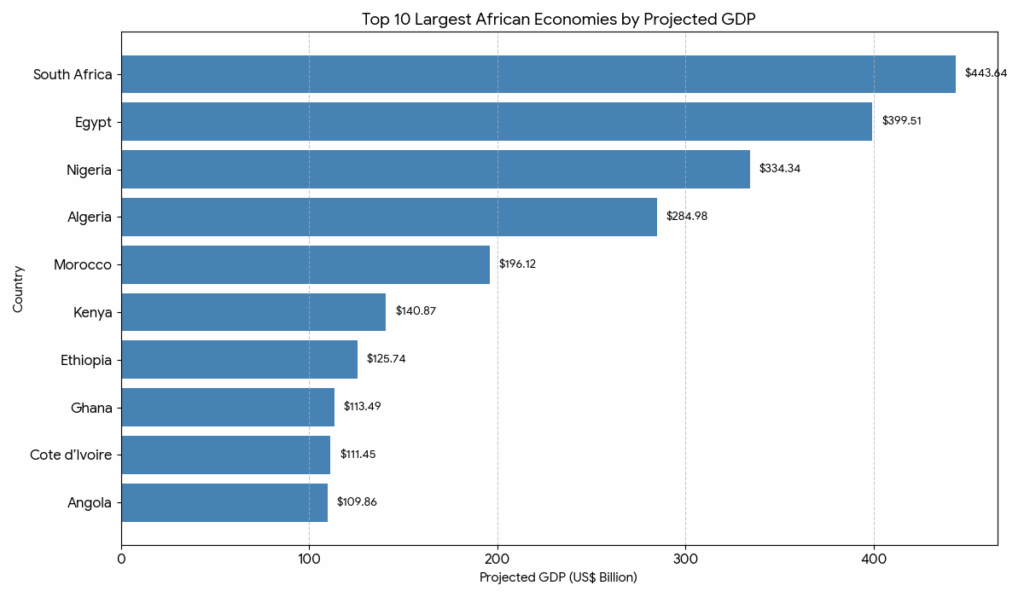
Based on these findings, Ghana’s expected GDP places the country among the top 10 largest economies in Africa, specifically the 8th on the continent.
Expert Insights
Economist and risk analyst, Dr. Theophilus Acheampong, told GhanaFact in an interview that Ghana’s position reflects the size of the economy in nominal terms but it should be interpreted carefully. “Ghana crossing the US$100 billion mark is symbolically important, it tells us that the economy has reached a larger nominal size in US dollar terms.” According to him, the nominal GDP rankings do not fully measure economic strength, as they can also be influenced by factors such as exchange rates, inflation, and statistical revisions.
He also stated that higher GDP ranking does not automatically translate into better living standards for citizens. “Large economies can coexist with inequality, informality, and uneven access to opportunities,” he noted, citing examples such as Nigeria and South Africa.
To maintain or improve the new economic position, Dr. Acheampong, who is also a Technical Advisor at the Ministry of Finance, stressed that Ghana will need to sustain macroeconomic stability including fiscal discipline, low inflation, exchange-rate stability, and credible debt management.
He added that productivity growth, reliable energy supply, stronger private-sector investment,among others, will also be key drivers of long-term economic expansion. “Ghana will need to sustain macroeconomic stability, especially fiscal discipline, low inflation, exchange-rate stability, and credible debt management. This will help attract FDI and also mobilise and preserve domestic capital.
“Beyond that, the real drivers will be higher productivity, export diversification, energy reliability, industrial upgrading, and stronger private-sector investment. Then there is also stronger revenue administration, better public financial management, and tighter oversight of SOEs and fiscal risks.”
By Nusrat Essah