Wednesday, August 12, 2026
Ghana Fact
  • Who We Are
    • About Us
    • How we work
    • Submit a claim to check
    • Partners
    • Our Team
    • Funding
    • Principles
    • Corrections
    • Privacy Policy
    • Press Releases
  • Contact
  • Home
    • Latest
    • Trending
  • Governance
  • DisinfoLab
    • Narrative Reports
    • Scams & Spam
  • Politics
    • Election 2020
    • Election 2024
  • Economy
  • Health
    • COVID-19
  • Environment
  • AI & Deepfakes
No Result
View All Result
Ghana Fact
  • Home
    • Latest
    • Trending
  • Governance
  • DisinfoLab
    • Narrative Reports
    • Scams & Spam
  • Politics
    • Election 2020
    • Election 2024
  • Economy
  • Health
    • COVID-19
  • Environment
  • AI & Deepfakes
No Result
View All Result
Ghana Fact
No Result
View All Result
Home Health

FACTSHEET: Common myths and misconceptions about leprosy

ghanafactbyghanafact
April 8, 2024
in Health
Reading Time: 3 mins read
A A
FACTSHEET: Common myths and misconceptions about leprosy
Share on FacebookShare on TwitterShare on ThreadsWhatsApp

Ghana has detected at least 200 new cases of leprosy annually in the last five years and widespread myths and misconceptions about the disease are serving as a barrier to efforts to reduce new cases.

According to the Ghana Health Service, 221 new cases of leprosy were recorded in Ghana by end of September 2023, of which seven, were children.

There were 174,087 new cases reported globally in 2022, with 22,022 (12.6%) new cases from 42 out of 47 countries in the African Region.

What is Leprosy?

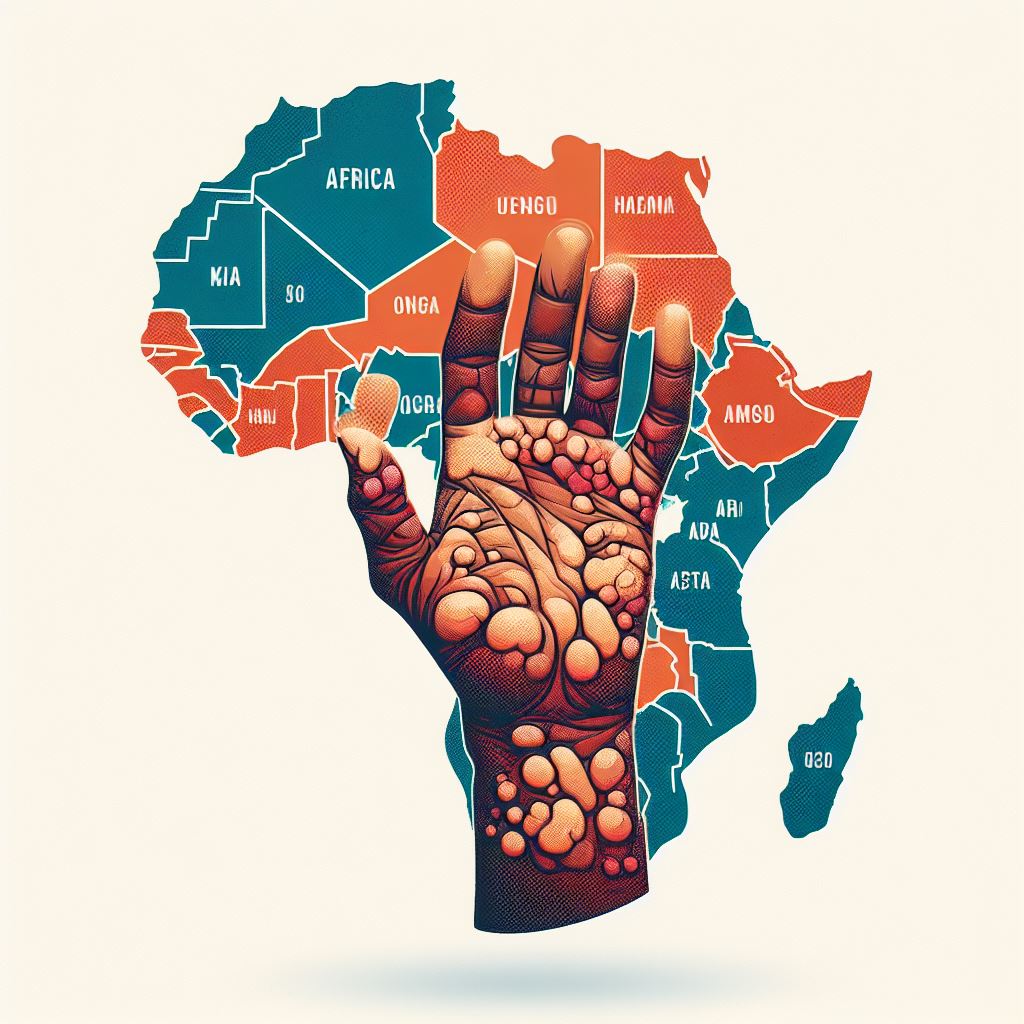
Leprosy is a chronic infectious disease that is caused by a type of bacteria called Mycobacterium leprae. It commonly causes severe nerve damage and disfiguring pale-coloured skin sores on the arms and legs.

Nerve damage can affect the eyes, lead to muscle weakness and a loss of feeling in the arms and legs.

RelatedNews

30% women in cabinet: Mahama’s promise remains far off despite Zanetor’s nomination

30% women in cabinet: Mahama’s promise remains far off despite Zanetor’s nomination

Explainer: Ghana’s mid-year fiscal policy review – when mini-budgets started and why it matters

Explainer: Ghana’s mid-year fiscal policy review – when mini-budgets started and why it matters

No! Ghana has not removed English as a teaching language in basic schools

False! Kindergarten pupils will NOT learn Chinese under Ghana’s new basic school curriculum

GARID: The World Bank-funded urban resilience project that became topical after June 29 floods 

GARID: The World Bank-funded urban resilience project that became topical after June 29 floods 

Here are some myths, misconceptions and facts about Leprosy

  1. Myth: Leprosy is highly contagious.
  • Fact: Transmission requires prolonged, close contact, and the disease is not spread through casual interactions.
  1. Myth: Leprosy leads to inevitable deformity.
  • Fact: Early diagnosis and prompt treatment with MDT can prevent disabilities.
  1. Myth: Leprosy is a curse or punishment.
  • Fact:Leprosy is a bacterial infection; it is not a result of personal actions or moral judgment.
  1. Myth: Leprosy is untreatable.
  • Fact: Leprosy is curable with a well-established and effective multi-drug therapy.
  1. Myth: All skin conditions indicate leprosy.
  • Fact: Leprosy diagnosis requires specific signs, and not all skin conditions are indicative of the disease.
  1. Myth: Leprosy is only a problem in the past.
  • Fact: Leprosy persists globally, necessitating ongoing efforts for prevention, treatment, and elimination.

How is leprosy transmitted?

Leprosy spreads through respiratory droplets, necessitating prolonged and close contact with untreated individuals. Casual interactions like handshakes or hugs do not transmit the disease, and transmission ceases once treatment begins.

Leprosy often develops after many years and possibly even decades of the initial exposure to the leprosy-causing bacteria.

Treatment and Prevention

  1. Leprosyis curable using multi-drug therapy (MDT) comprising dapsone, rifampicin, and clofazimine.
  2. MDT lasts six months for PB and 12 months for MB cases. Early diagnosis and prompt treatment prevent disabilities. WHO provides free MDT, initially funded by The Nippon Foundation and later through an agreement with Novartis. Case detection and MDT alone are insufficient
  3. The World Health Organisation recommendstracing contacts and administering a single dose of rifampicin as preventive chemotherapy to prevent leprosyspread.


By: David Yovo-Ofori 

ShareTweetShareSend

Related Posts

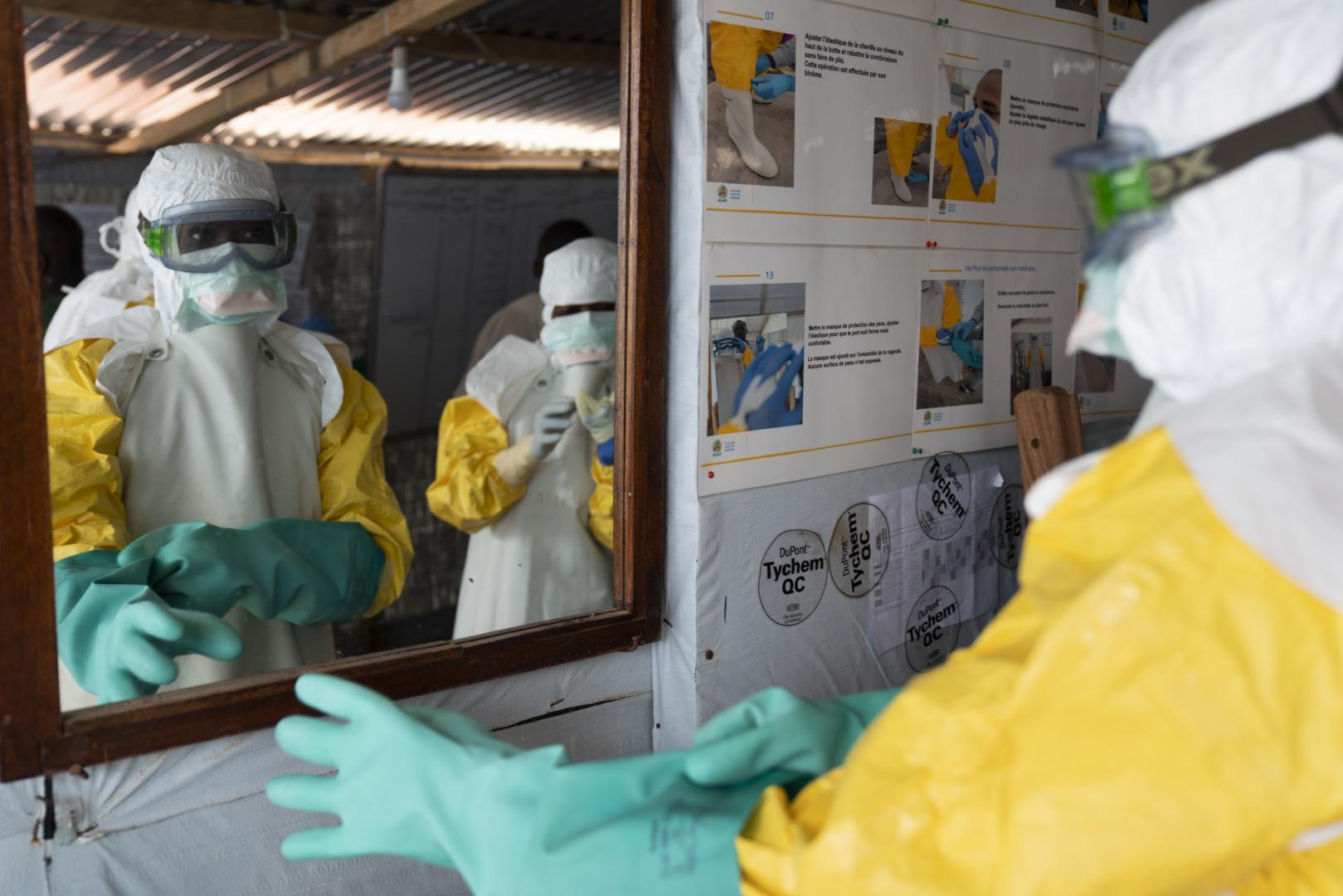
FALSE: Ghana recorded a confirmed case of Ebola in the past

WHO declares Ebola a Public Health Emergency of International Concern 

FACT-CHECK: President Mahama’s claim that NCDs account for 42% of all deaths in Ghana is partly true

FACT-CHECK: President Mahama’s claim that NCDs account for 42% of all deaths in Ghana is partly true

Explainer: All you need to know about the Free Primary Healthcare Programme

Explainer: All you need to know about the Free Primary Healthcare Programme

Climate Change, a driver of global health threats – President Mahama warns

Climate Change, a driver of global health threats – President Mahama warns

Health misinformation: University of Ghana disclaims viral post about cassava cure for Type 2 diabetes

Health misinformation: University of Ghana disclaims viral post about cassava cure for Type 2 diabetes

Dry season: Ghana Health Service issues public health alert on meningitis  

Dry season: Ghana Health Service issues public health alert on meningitis  

Load More

Most Recent

30% women in cabinet: Mahama’s promise remains far off despite Zanetor’s nomination

30% women in cabinet: Mahama’s promise remains far off despite Zanetor’s nomination

Explainer: Ghana’s mid-year fiscal policy review – when mini-budgets started and why it matters

Explainer: Ghana’s mid-year fiscal policy review – when mini-budgets started and why it matters

No! Ghana has not removed English as a teaching language in basic schools

False! Kindergarten pupils will NOT learn Chinese under Ghana’s new basic school curriculum

GARID: The World Bank-funded urban resilience project that became topical after June 29 floods 

GARID: The World Bank-funded urban resilience project that became topical after June 29 floods 

Load More

Most Popular

South Korea and Japan are not offering $75000 for Black Men to impregnate their women

South Korea and Japan are not offering $75000 for Black Men to impregnate their women

GARID: The World Bank-funded urban resilience project that became topical after June 29 floods 

GARID: The World Bank-funded urban resilience project that became topical after June 29 floods 

Explainer: Ghana’s mid-year fiscal policy review – when mini-budgets started and why it matters

Explainer: Ghana’s mid-year fiscal policy review – when mini-budgets started and why it matters

FACT-CHECK: GHOne flyer claiming dual citizens ‘eligible to contest any position in Ghana’ is misleading

FACT-CHECK: GHOne flyer claiming dual citizens ‘eligible to contest any position in Ghana’ is misleading

Load More
Ghana Facts - factscheck

GhanaFact is a project by FactSpace West Africa aimed at curbing the spread of disinformation on traditional and social media.

Follow Us

Browse Articles

  • AI & Deepfakes
  • DisinfoLab
    • Narrative Reports
    • Scams & Spam
  • Economy
  • Election 2020
  • Election 2024
  • Environment
  • General News
  • Governance
  • Health
    • COVID-19
  • Other Checks
  • Politics
  • Press Releases
  • Promise Meter

Contact

Address: P. O. Box AB 521, Abeka-Lapaz, Accra

WhatsApp: +233 244 49 9971

Email: info@ghanafact.com

Memberships

Memberships
  • Submit a claim to verify
  • Contact
  • Corrections
  • Team
  • About
  • Funding
  • How we work
  • Partners
  • Principles
  • Sitemap
  • Privacy Policy

© 2025 Ghana Fact - All rights reserved - Web development by EnspireFX Websites.

No Result
View All Result
  • Home
    • Latest
    • Trending
  • Governance
  • DisinfoLab
    • Narrative Reports
    • Scams & Spam
  • Politics
    • Election 2020
    • Election 2024
  • Economy
  • Health
    • COVID-19
  • Environment
  • AI & Deepfakes

© 2025 Ghana Fact - All rights reserved - Web development by EnspireFX Websites.